1. Concept and Definition
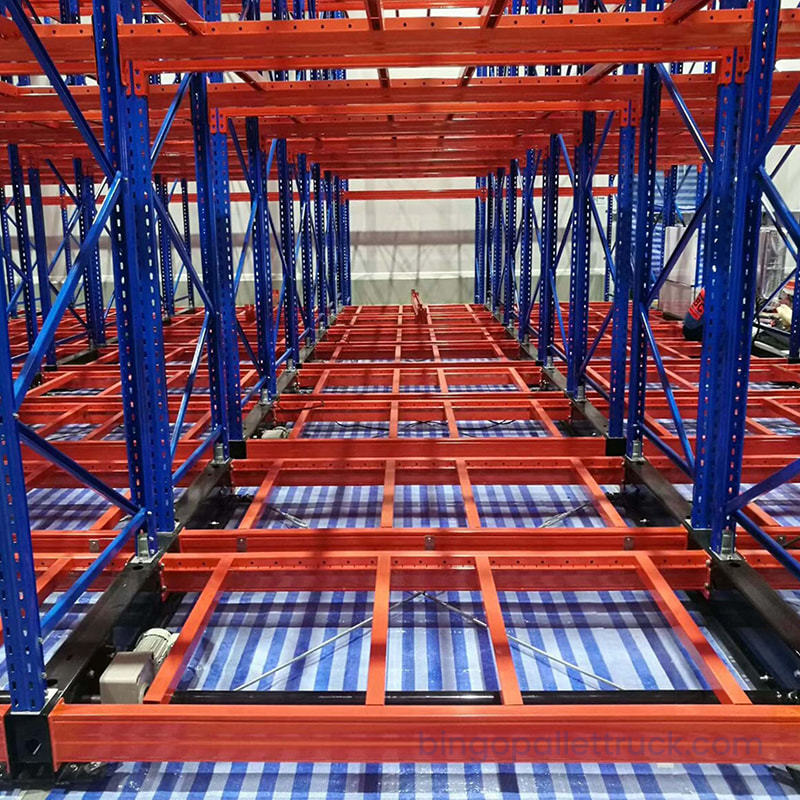
Mobile pallet racking also referred to as mobile shelving or powered mobile racking, is a high-density storage system in which standard selective pallet racking frames are mounted on motorized base carriages that travel along floor-embedded rails. The carriages can be driven laterally to open a single working aisle at any point along the rack installation, while the remaining rack rows remain in closed, space-efficient formation. When access to a different row is required, the carriages compact again and re-open at the new position.
The fundamental principle is the elimination of permanently fixed aisles. Conventional selective racking dedicates a fixed aisle to every pair of rack rows. Mobile racking shares one working aisle across the entire rack block, converting the space previously occupied by redundant aisles into additional storage positions. This typically results in a 45–85% increase in storage capacity compared to a conventional selective racking layout in the same floor area, depending on the number of rows installed.
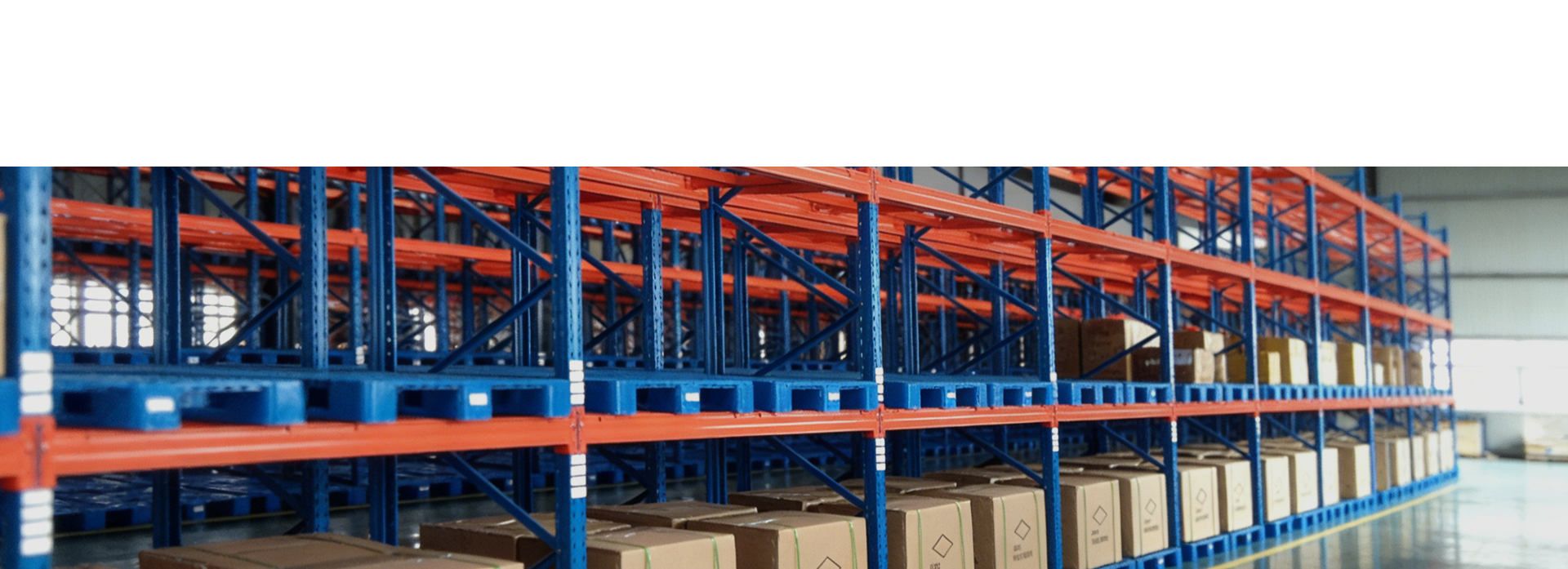
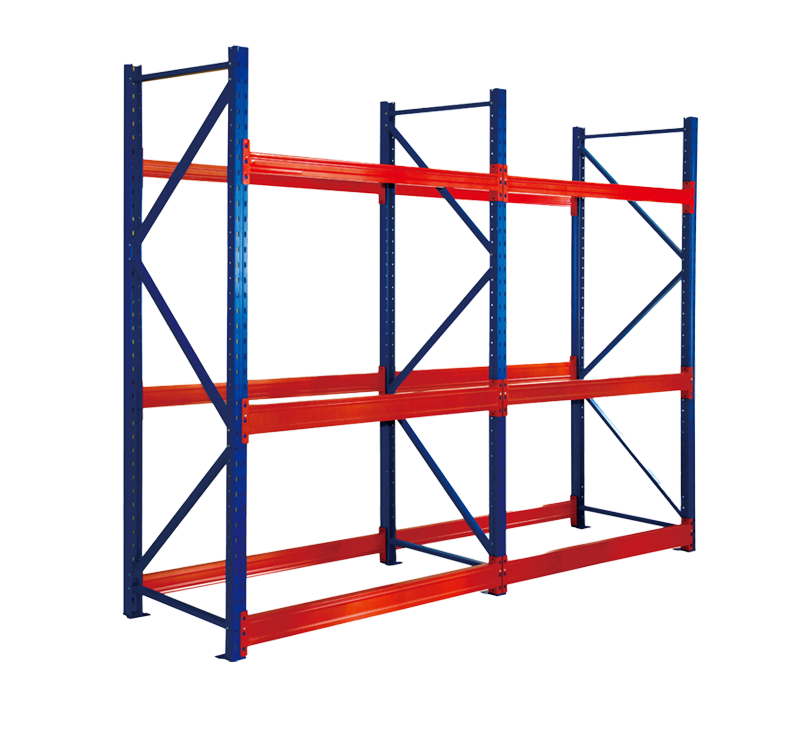
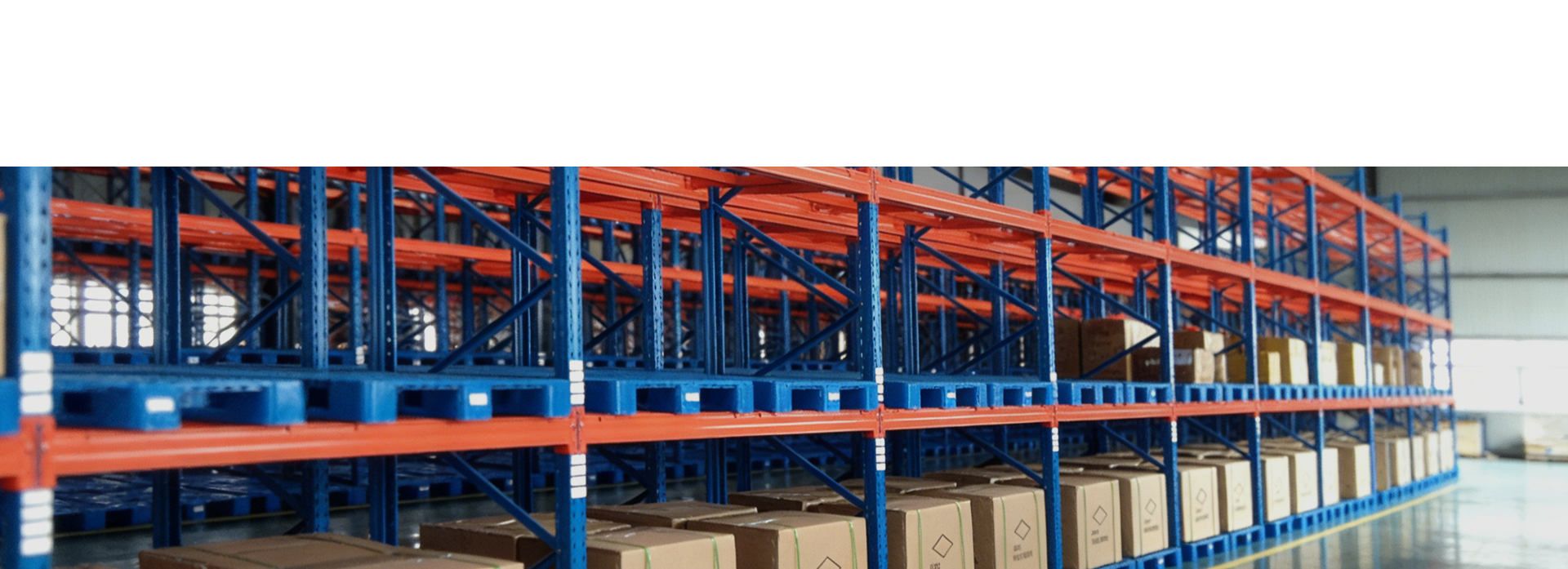
The rack structure itself is standard selective pallet racking — uprights, beams, and accessories — with no modification to the racking components. The mobile base system is an independent mechanical and electrical assembly beneath the rack.
2. Working Principle
Each mobile base carriage runs on precision steel rails embedded flush with or surface-mounted on the warehouse floor. Drive motors (typically electric) move the carriages along the rails. In most systems, carriages are driven individually or in coordinated groups, controlled by a central panel, push-button stations on each carriage face, or a remote handset. Some systems support integration with a WMS for automated aisle assignment.
A safety system prevents any carriage from moving while a person or forklift is present in an open aisle. Common safety mechanisms include light curtains at aisle ends, pressure-sensitive floor mats, and optical sensors on the carriage faces. These are mandatory features in any compliant installation and must meet the applicable machinery safety directive requirements.
The working aisle width is designed to accommodate the specific forklift or reach truck in use — typically 2.5–3.5 m for a counterbalance forklift or 2.3–2.8 m for a reach truck. Only one aisle is open at any given time in a standard single-aisle configuration; multi-aisle configurations are available for higher throughput requirements.
3. System Configurations
Single-Aisle Mobile Racking
The standard configuration. One aisle serves the entire rack block. Maximum storage density is achieved, but throughput is limited to one forklift operating in the block at a time. Suited to operations with relatively low simultaneous access frequency.
Multi-Aisle Mobile Racking
Two or more aisles can be opened simultaneously by grouping carriages into independently controlled sections. Multi-aisle configurations reduce the density advantage compared to single-aisle systems but support higher throughput and allow concurrent forklift operation in different sections of the block.
Manual Mobile Racking (Non-Powered)
For lighter loads and lower rack heights (typically below 3 m), manually operated mobile bases use a handwheel mechanism to move carriages. Manual systems are used in archival storage, document storage, and light goods warehousing rather than in heavy-duty pallet applications.
4. Key Technical Parameters
| Parameter |
Typical Range |
| Pallet load capacity per position |
500 – 1,500 kg |
| Rack height |
Up to 12 m (engineering-dependent) |
| Carriage travel speed |
0.05 – 0.15 m/s |
| Number of rows per block |
4 – 20+ rows |
| Working aisle width |
2.3 – 3.5 m (forklift-dependent) |
| Density gain vs. conventional selective |
45 – 85% |
| Drive system |
Electric motor (AC or DC); manual (light duty) |
| Floor load concentration |
Higher than static racking; structural review required |
| Applicable standards |
EN 15512, EN 15620, EN 15635, ISO 11228, local machinery directives |
5. Applications and Industries
Mobile pallet racking is applied where maximizing storage capacity within a fixed or constrained floor area is the primary objective, and where throughput requirements do not demand simultaneous multi-aisle access. Common applications include:
- Cold storage and frozen food warehousing: The reduction in aisle volume directly decreases the refrigerated or frozen space that must be maintained, lowering energy consumption. Mobile racking is one of the most widely used high-density systems in temperature-controlled environments.
- Pharmaceutical and healthcare distribution: Controlled-environment storage with strict space constraints benefits from the density increase, while full pallet selectivity supports lot traceability and FIFO compliance.
- Food and beverage distribution: Large volumes of palletized goods with moderate SKU variety, where the single-aisle constraint does not create throughput bottlenecks.
- Bonded and secure storage: High-value goods requiring controlled access, where the enclosed formation of mobile racking also provides a physical access control function.
- Archive and document storage: Non-pallet applications using lighter manual mobile bases for box or file storage at high density.
6. Comparison with Related Systems
| Criterion |
Selective Racking |
Double Deep |
Mobile Racking |
Shuttle Racking |
| Storage density |
Baseline |
+30–40% |
+45–85% |
+60–90% |
| Pallet selectivity |
100% |
~50% |
100% |
Low (per channel) |
| SKU variety tolerance |
Unlimited |
High |
Unlimited |
Low |
| Inventory flow |
FIFO / LIFO |
LIFO per lane |
FIFO / LIFO |
FIFO or LIFO |
| Simultaneous aisle access |
All aisles open |
All aisles open |
One aisle at a time (standard) |
Per channel |
| Special equipment required |
Standard forklift |
Double-deep reach truck |
Standard forklift |
Reach truck + shuttle unit |
| Initial system cost |
Low |
Low–Medium |
High |
High |
| Maintenance complexity |
Very Low |
Low |
Medium |
Medium–High |
Mobile racking and narrow aisle racking are the two principal systems that achieve high storage density while preserving 100% pallet selectivity. Mobile racking uses a standard forklift but limits simultaneous aisle access; narrow aisle racking requires specialist trucks but allows concurrent access to all aisles.
7. Advantages and Limitations
Advantages: significant storage density increase (45–85%) over conventional selective racking with no compromise to pallet selectivity; supports both FIFO and LIFO inventory management across the full SKU range; compatible with standard counterbalance and reach truck fleets — no specialist forklift required; rack structure is standard selective racking, simplifying procurement and future reconfiguration; particularly effective in refrigerated and frozen environments where aisle reduction translates directly to energy savings.
Limitations: the mobile base system represents a significant capital investment above the cost of the racking structure itself; only one working aisle is available at a time in a standard configuration, which limits throughput and may create operational bottlenecks in high-frequency access environments; the motorized carriage system requires periodic maintenance of drive motors, rails, wheels, and safety sensors; floor slab load requirements are higher than for static racking and must be verified structurally before installation; rail installation requires floor work that may be disruptive in an operating facility.
8. Frequently Asked Questions
Q: Can a standard forklift be used with mobile pallet racking?
Yes. The working aisle in a mobile racking system is dimensioned to accommodate the specific forklift type in use — counterbalance forklifts, reach trucks, or articulated forklifts. No specialist handling equipment is required, which is an operational advantage over narrow aisle VNA systems and double deep racking.
Q: What happens if a carriage motor fails?
Most mobile racking systems include a manual override mechanism on each carriage to allow it to be moved by hand in the event of a motor failure, enabling retrieval of goods without waiting for repair. The system should also be designed so that a single carriage failure does not lock access to the entire rack block. Maintenance response time is an important factor when evaluating total system reliability.
Q: Is mobile pallet racking suitable for seismic zones?
Mobile racking in seismic zones requires specific structural design considerations. The moving mass of loaded carriages introduces dynamic loads not present in static racking. Rack frames must be designed to seismic standards applicable in the project location (e.g., EN 16681 in Europe), and the interaction between carriage movement and seismic loading must be addressed in the engineering design. Installations in high seismic hazard areas require specialist structural engineering input.
Q: How is fire protection handled in mobile racking installations?
Fire protection in mobile racking is more complex than in static racking because closed carriage formations reduce the effectiveness of overhead sprinklers in reaching goods stored in interior rack positions. In-rack sprinkler systems are typically required for mobile racking installations above a specified height or storage category, with sprinkler heads positioned on the rack structure itself to provide coverage within closed formations. Applicable fire codes and insurance requirements must be reviewed at the design stage.
Q: How does mobile racking perform in cold storage environments?
Mobile racking is widely used in refrigerated and frozen storage precisely because the reduction in aisle volume decreases the amount of controlled-temperature space that must be maintained, which reduces refrigeration energy consumption. Drive motors and control electronics must be specified for the operating temperature range. In sub-zero environments, motor lubrication, battery performance (for wireless controls), and sensor reliability at low temperatures must be confirmed with the system supplier.
9. Bingo Machinery and Mobile Pallet Racking
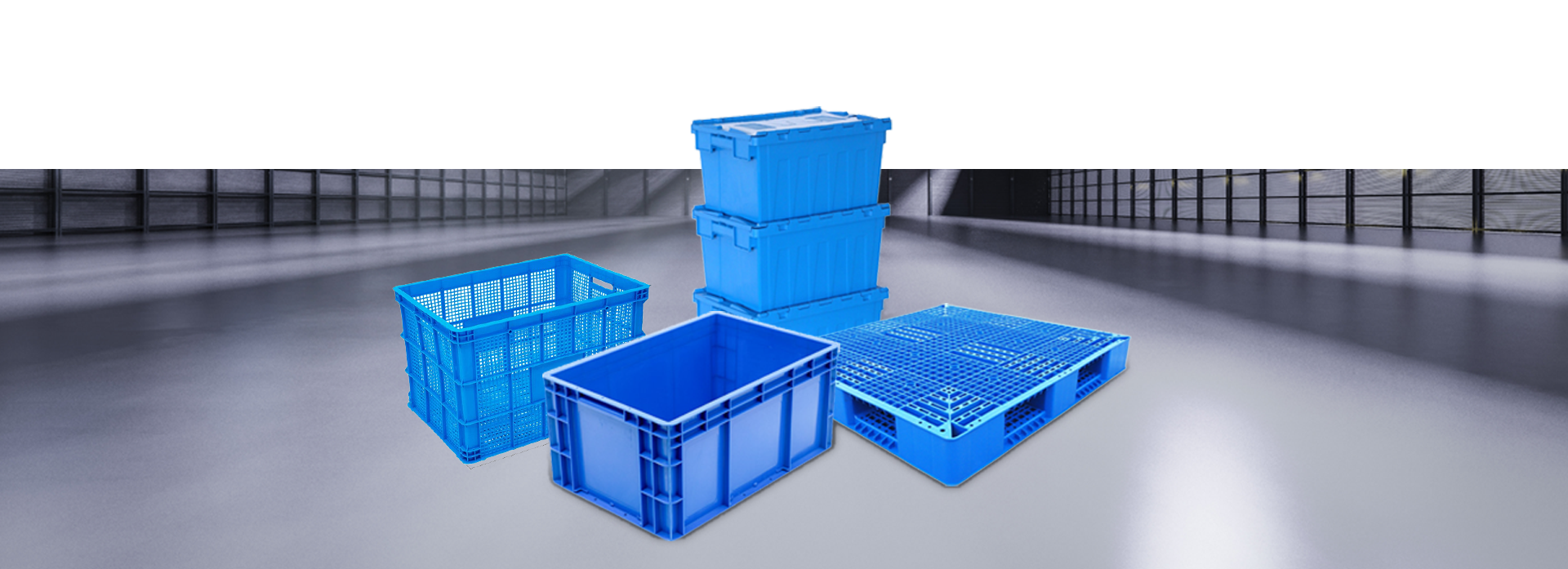
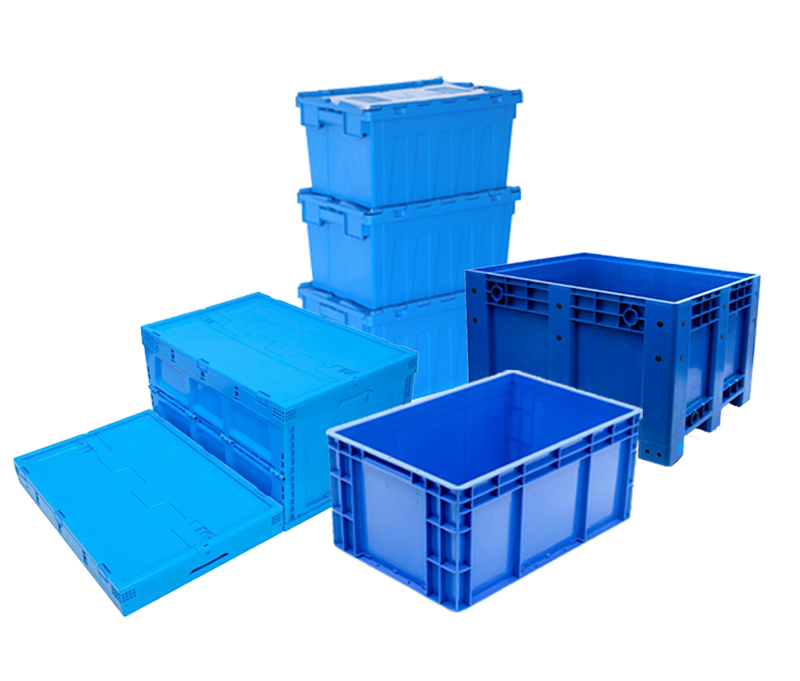
Yancheng Bingo Machinery Equipment Co., Ltd. manufactures and supplies warehousing and logistics equipment spanning handling equipment, storage containers, packaging materials, and racking systems across light-duty, medium-duty, and heavy-duty categories. The heavy-duty racking range — including upright frames, pallet beams, and rack accessories — provides the structural components that form the racking element of a mobile pallet racking installation.
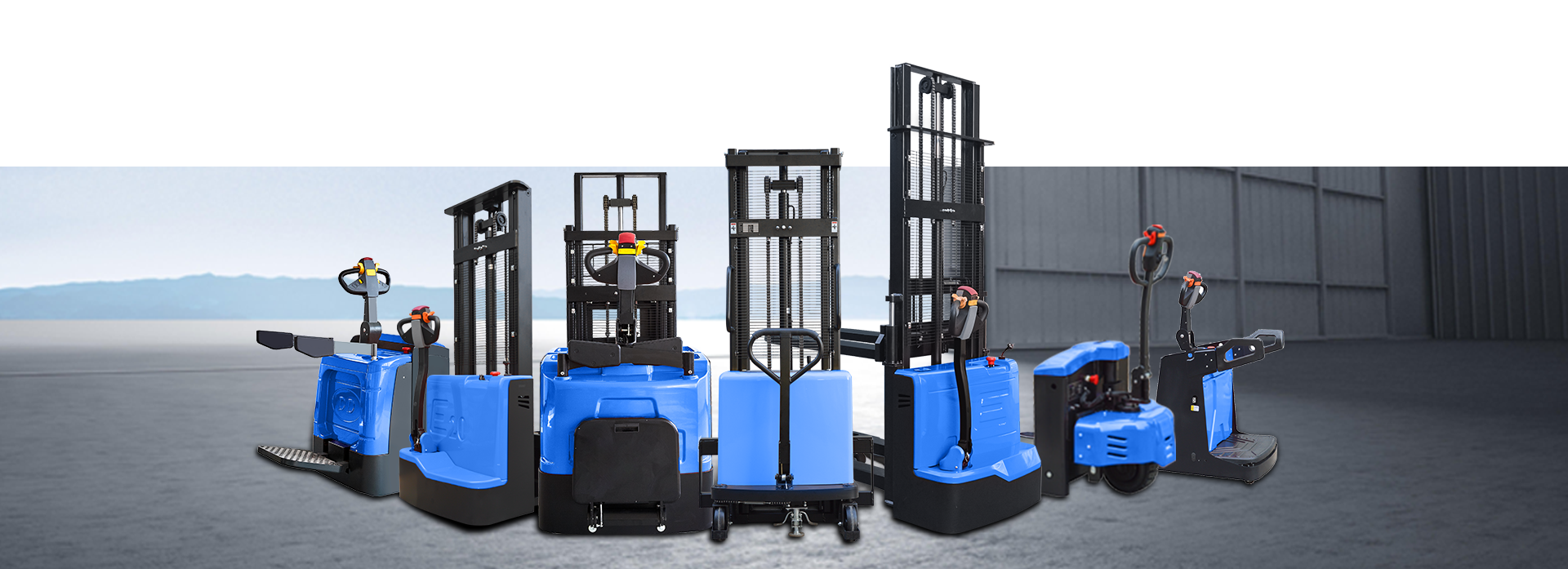
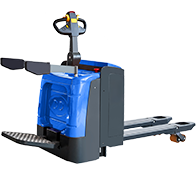
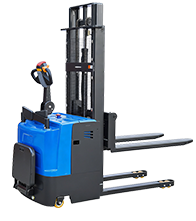
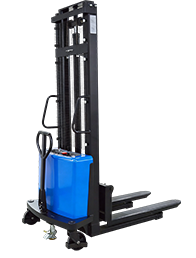
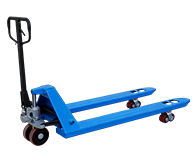
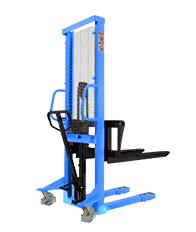
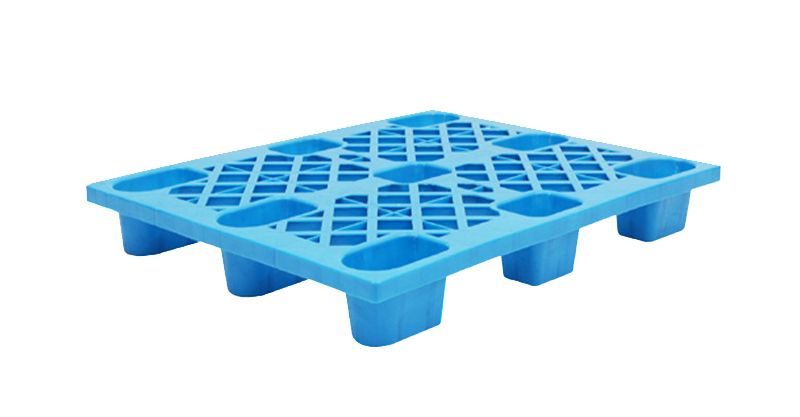
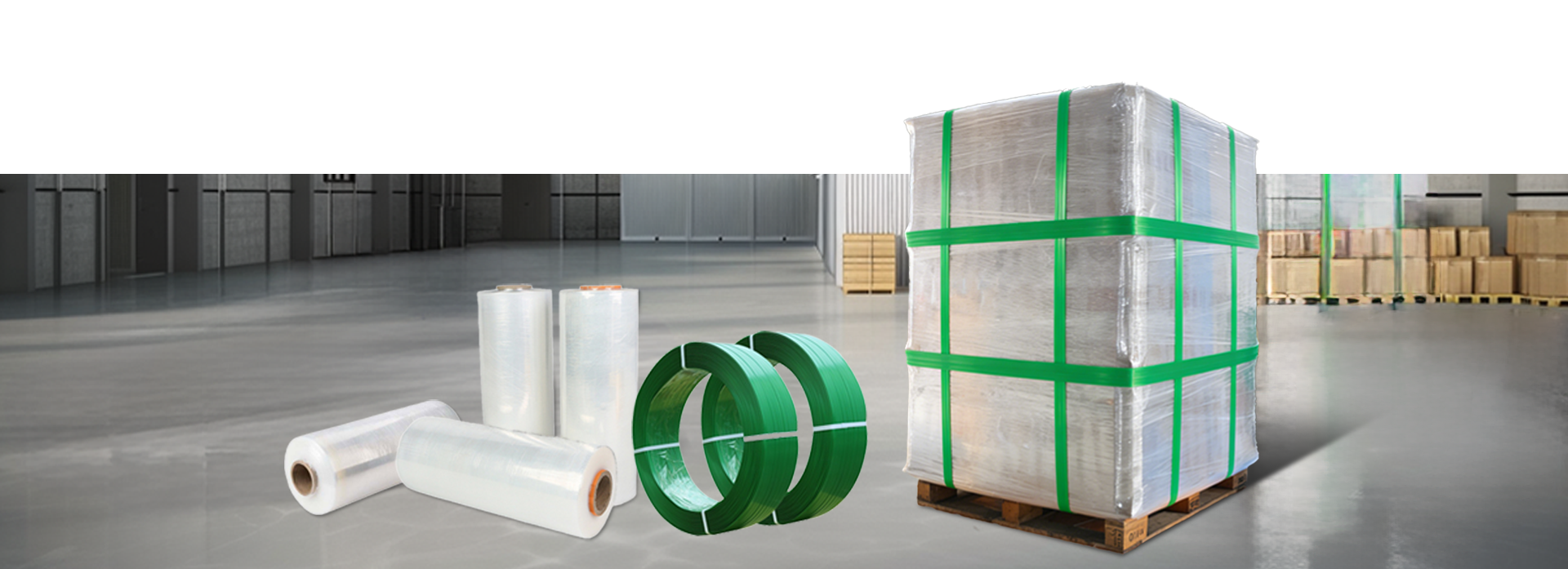
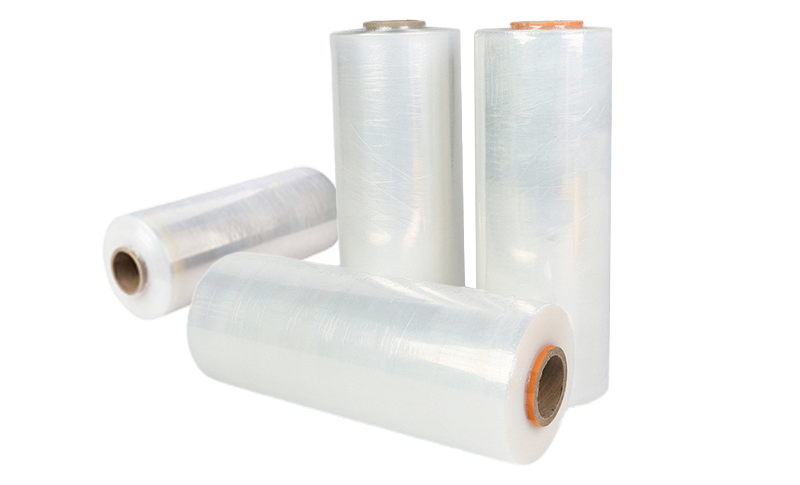
Complementary products from Bingo's portfolio support the full operational workflow around a mobile racking system: electric pallet trucks and stackers for ground-level handling in receiving and dispatch areas; plastic pallets in standard dimensions compatible with selective rack beam configurations; and stretch wrap and packing strapping for load securing prior to pallet storage. Bingo's integrated product range supports single-source procurement for warehousing projects incorporating mobile racking systems.

 en
en  Español