1. Concept and Definition
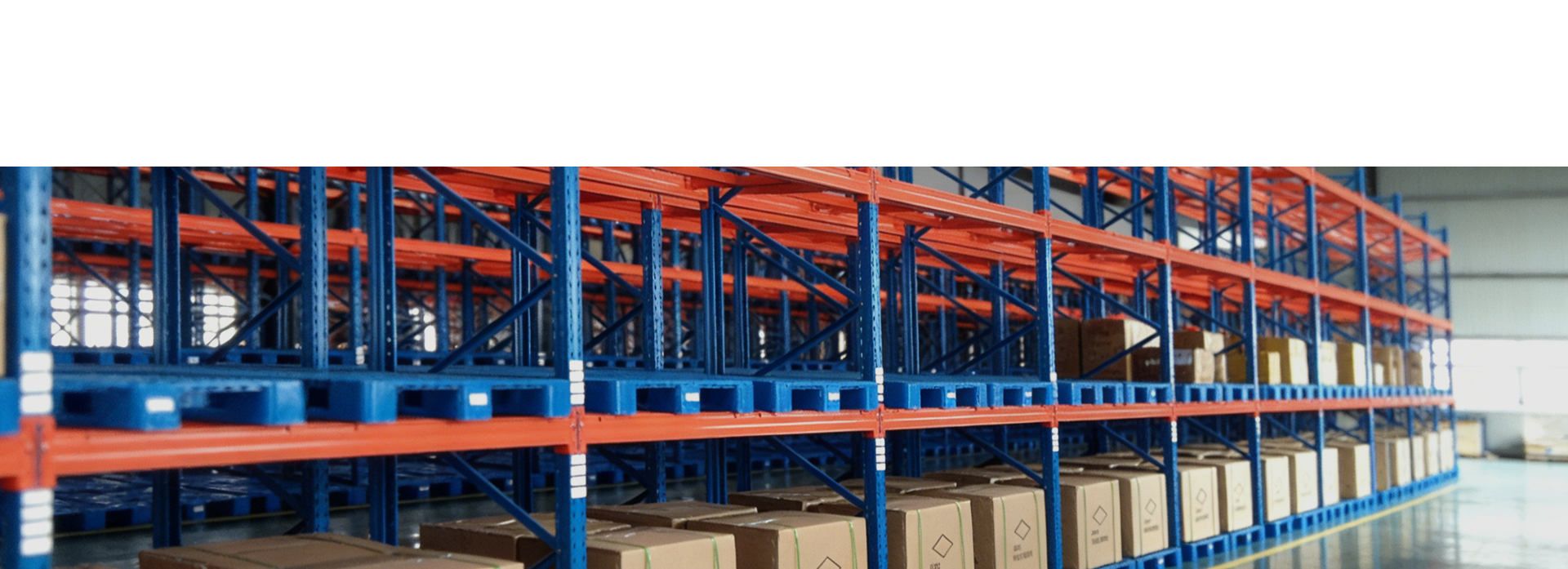
Narrow aisle racking (NA racking), also referred to as very narrow aisle racking (VNA) in its most compact form, is a selective pallet storage system designed to operate with significantly reduced aisle widths compared to conventional reach truck racking. While standard selective racking requires aisle widths of 2.5–3.5 m to accommodate conventional counterbalance or reach trucks, narrow aisle systems operate in aisles of 1.5–2.0 m (VNA) or 2.0–2.5 m (NA), achieved through the use of specialized high-reach man-up or man-down turret trucks, order pickers, or articulated forklifts.
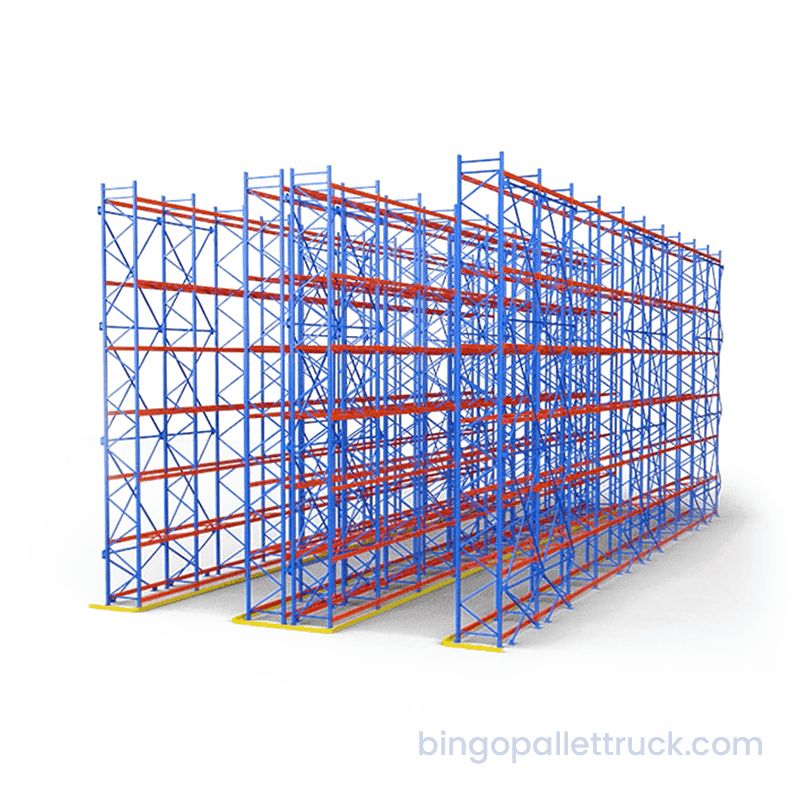
The core principle is that by narrowing the working aisle, a greater proportion of the warehouse floor area is allocated to storage rack rather than to traffic lanes. This directly increases the number of pallet positions achievable within a given building footprint, without any compromise to individual pallet selectivity — every pallet position remains directly accessible from the aisle.
Narrow aisle racking retains the full selectivity of conventional selective racking and supports both FIFO and LIFO inventory management, which distinguishes it from high-density systems such as drive-in, push-back, or shuttle racking where channel-based storage restricts SKU access.
2. System Types
Narrow Aisle (NA) Racking
Operates with aisle widths of approximately 2.0–2.5 m. Compatible with articulated forklifts (also called flexi trucks or swing-mast trucks), which can turn their forks 90 degrees within the aisle without the truck body rotating. This allows operation in narrower aisles than a standard reach truck while still permitting travel in wider areas of the warehouse without guidance infrastructure.
Very Narrow Aisle (VNA) Racking
Operates with aisle widths of approximately 1.5–1.8 m. Requires guided turret trucks or order pickers that travel in a fixed orientation within the aisle, with the mast and forks rotating independently of the truck body. VNA trucks typically require floor-level wire guidance or rail guidance systems to maintain precise aisle positioning. Rack heights in VNA installations commonly reach 12–18 m, making maximum use of available building clear height.
3. Guidance Systems
The safe operation of VNA trucks in confined aisles depends on reliable guidance. Two principal systems are in use:
- Wire guidance: An energized wire embedded in the floor transmits a signal detected by sensors on the truck, maintaining its lateral position within the aisle automatically. Wire guidance requires floor cutting during installation and is difficult to relocate once in place.
- Rail guidance: A physical rail fixed to the floor or rack base acts as a mechanical guide for the truck's guide rollers. Rail guidance is more straightforward to install and modify than wire guidance and is the more common choice in new installations.
4. Key Technical Parameters
| Parameter |
NA Racking |
VNA Racking |
| Aisle width |
2.0 – 2.5 m |
1.5 – 1.8 m |
| Typical rack height |
Up to 10 m |
Up to 18 m |
| Pallet load capacity per position |
500 – 1,500 kg |
500 – 1,500 kg |
| Pallet selectivity |
100% |
100% |
| Truck type |
Articulated forklift |
Turret truck / order picker |
| Guidance required |
Not typically required |
Wire or rail guidance |
| Floor flatness requirement |
Medium |
High (DIN 15185 or equivalent) |
| Applicable standards |
EN 15512, EN 15620, EN 15635, RMI ANSI MH16.1, DIN 15185 (VNA floors) |
5. Floor Flatness Requirements
VNA installations impose significantly stricter floor flatness tolerances than conventional racking. At rack heights of 12 m and above, small deviations in floor flatness produce amplified positional errors at the mast tip, which can cause pallet misalignment, structural contact, or truck instability. The industry standard for VNA floors in Europe is DIN 15185, which specifies differential flatness tolerances measured across defined intervals rather than absolute floor levelness. In North America, the F-number system (specifically Ff and Fl values) is used. In most cases, existing warehouse floors require grinding or surface preparation before VNA racking can be installed.
6. Applications and Industries
Narrow aisle racking is applicable wherever individual pallet selectivity is required alongside a meaningful increase in storage density, and where the building height can be utilized effectively. Common applications include:
- Distribution centers with high SKU variety: Where full pallet accessibility is operationally necessary and high-density systems such as drive-in or shuttle racking are unsuitable due to SKU count.
- Pharmaceutical and healthcare warehousing: Where lot traceability, FIFO compliance, and individual pallet access are mandatory, and floor space is constrained.
- Retail and e-commerce fulfillment: Where a wide range of product lines must be stored at pallet level and retrieved individually for order consolidation or replenishment.
- Manufacturing parts storage: Where a large number of component SKUs must be stored densely with direct access for production line supply.
- Third-party logistics (3PL): Where flexible, high-selectivity storage accommodates multiple clients and changing product mixes.
7. Comparison with Related Systems
| Criterion |
Standard Selective |
Double Deep |
NA / VNA Racking |
Shuttle Racking |
| Pallet selectivity |
100% |
~50% |
100% |
Low (per channel) |
| Storage density vs. selective |
Baseline |
+30–40% |
+30–50% |
+60–90% |
| SKU variety tolerance |
Unlimited |
High |
Unlimited |
Low |
| Inventory flow |
FIFO / LIFO |
LIFO per lane |
FIFO / LIFO |
FIFO or LIFO |
| Special equipment |
Standard reach truck |
Double-deep reach truck |
Articulated / turret truck |
Reach truck + shuttle |
| Guidance infrastructure |
None |
None |
Rail or wire (VNA) |
None (rack-contained) |
| Floor flatness requirement |
Standard |
Standard |
High (VNA) |
Standard |
| Initial system cost |
Low |
Low–Medium |
Medium–High |
High |
Compared to double deep racking, narrow aisle racking maintains full pallet selectivity at the cost of requiring specialized guidance equipment and stricter floor preparation. Compared to shuttle racking, it supports a much wider SKU variety but achieves lower maximum storage density.
8. Advantages and Limitations
Advantages: full 100% pallet selectivity is preserved — every pallet is directly accessible without moving another; aisle reduction of 30–50% compared to standard selective racking increases storage positions within the same footprint; supports both FIFO and LIFO inventory management; compatible with WMS for real-time slot assignment and inventory tracking; rack structure itself is standard selective racking, with no mechanical components within the system.
Limitations: turret trucks and articulated forklifts are substantially more expensive than standard reach trucks; VNA trucks are typically confined to guided aisles and cannot operate freely in open warehouse areas, requiring a separate vehicle fleet for receiving and dispatch zones; VNA installations require high-specification floor flatness preparation, which adds project cost and time; wire guidance installation is disruptive and difficult to modify post-installation; if the guidance system or specialist truck is unavailable, aisle access is suspended until equipment is restored.
9. Frequently Asked Questions
Q: What is the difference between NA and VNA racking?
NA (narrow aisle) racking typically operates with aisle widths of 2.0–2.5 m and uses articulated forklifts that do not require floor guidance systems. VNA (very narrow aisle) racking operates in aisles of 1.5–1.8 m using guided turret trucks or order pickers that require wire or rail guidance in the aisle. VNA achieves greater density and height utilization but involves higher equipment and floor preparation costs.
Q: Can an existing conventional racking installation be converted to narrow aisle?
In some cases, existing rack frames and beams can be reused in a narrow aisle configuration if they are structurally compatible with the new layout and load requirements. However, the aisle width reduction requires repositioning all rack rows, and VNA conversion requires floor assessment and likely floor preparation work. The forklift fleet must also be replaced or supplemented with appropriate NA or VNA equipment. A full layout and structural review is necessary before any conversion project.
Q: Does narrow aisle racking require a WMS?
A WMS is not strictly required for narrow aisle racking, but it is strongly advisable in VNA installations operating at height. At rack heights above 8–10 m, visual identification of pallet positions from ground level is impractical. A WMS provides accurate location data for every pallet, enabling turret truck operators to navigate to the correct position without manual searching. Without WMS integration, error rates and retrieval times increase significantly in high-bay VNA installations.
Q: What fire protection measures apply to narrow aisle, high-bay racking?
Fire protection requirements for high-bay narrow aisle installations are typically more demanding than for low-level racking. In most jurisdictions, in-rack sprinkler systems are required for rack heights above a specified threshold (commonly 7–9 m, depending on local fire codes and stored goods classification). The specific requirement should be determined in consultation with the applicable fire safety authority and a fire protection engineer during the project design phase.
Q: How does building clear height affect narrow aisle racking design?
Building clear height — the usable height from finished floor to the lowest structural obstruction (beams, sprinklers, lighting, HVAC) — directly determines the maximum rack height achievable. VNA systems are specifically designed to utilize clear heights of 12–18 m, which is where their density advantage over NA or selective racking is most pronounced. In buildings with clear heights below 8 m, the density benefit of VNA over standard narrow aisle or double deep racking diminishes, and the additional cost of VNA equipment and floor preparation may not be justified.
10. Bingo Machinery and Narrow Aisle Racking
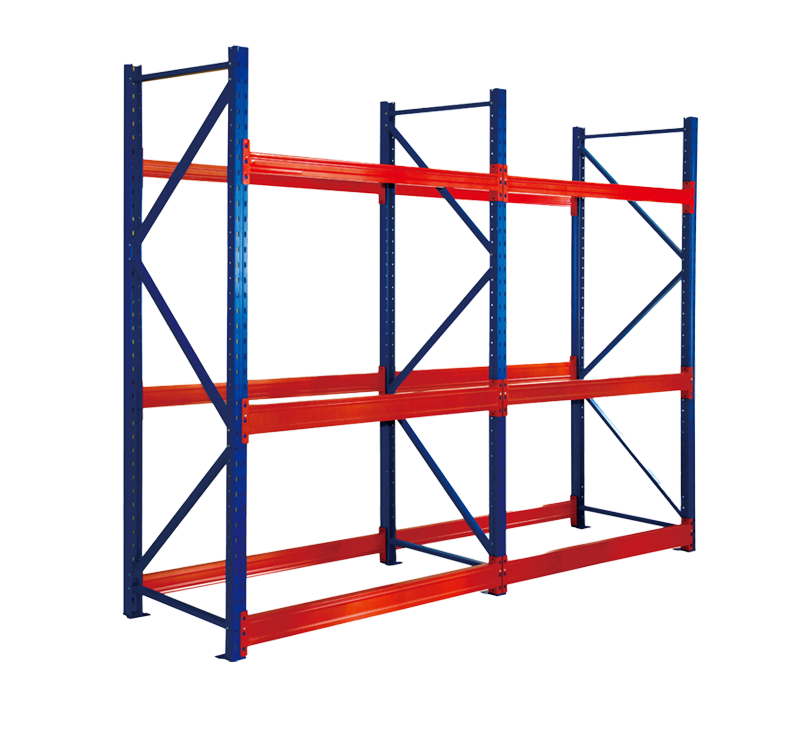
Yancheng Bingo Machinery Equipment Co., Ltd. produces and supplies a range of warehousing and logistics equipment including heavy-duty pallet racking systems. The structural components used in narrow aisle racking — upright frames, pallet beams, row spacers, and aisle end protectors — are part of Bingo's racking product range, manufactured under quality inspection processes aligned with international standards.
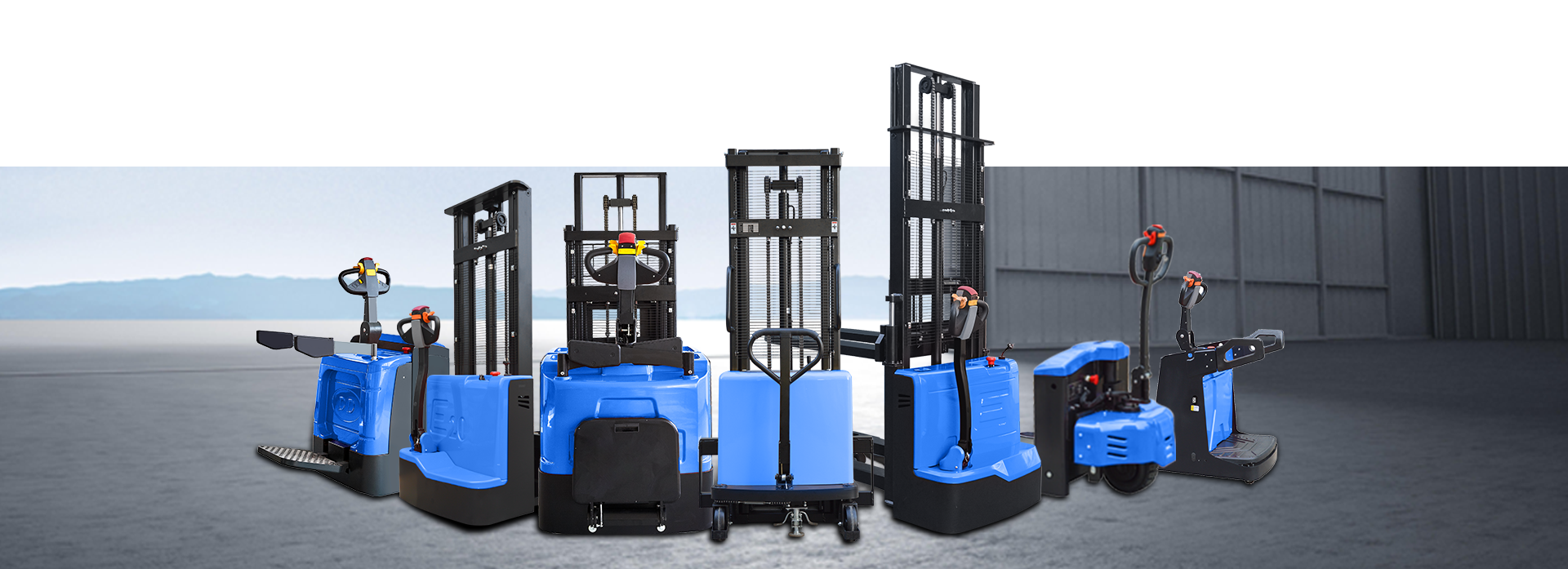
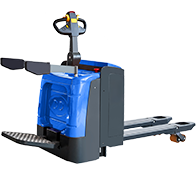
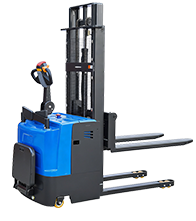
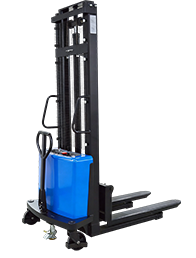
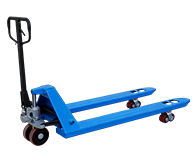
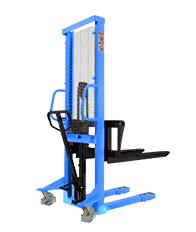
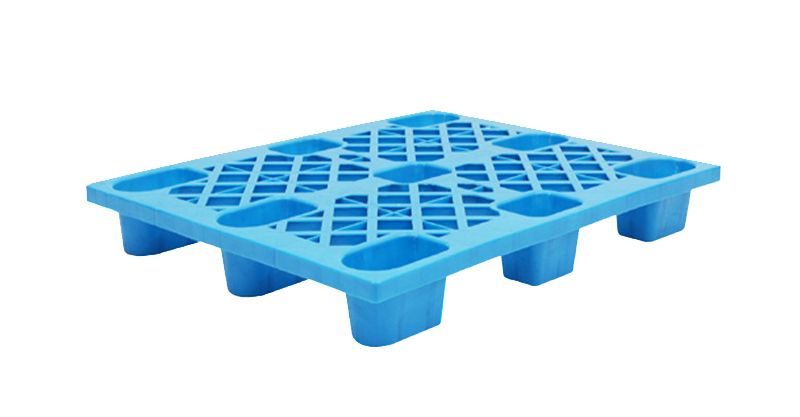
For operations integrating narrow aisle racking with material handling, Bingo's electric stacker and pallet truck range provides ground-level handling solutions for receiving, dispatch, and staging areas outside guided aisle zones. Plastic pallets in standard dimensions and load-securing materials including stretch wrap and packing strapping complement the racking system to support a complete storage and handling workflow.

 en
en  Español