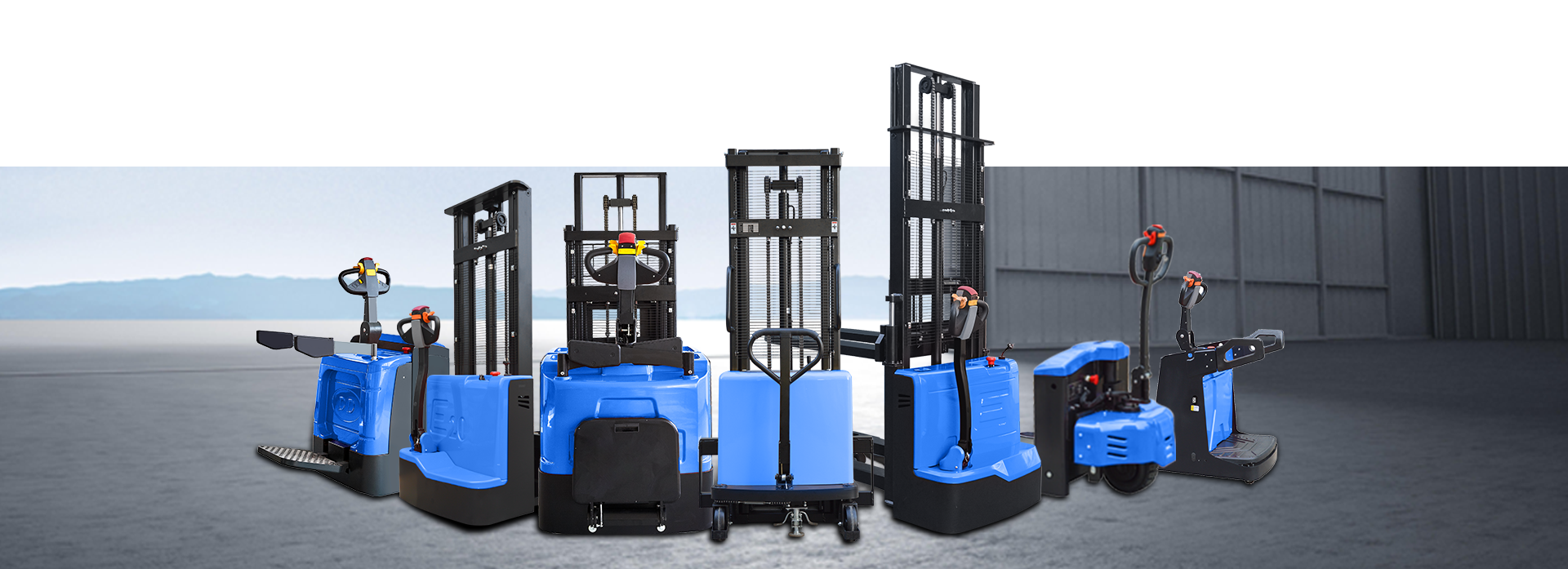
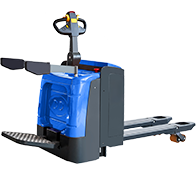
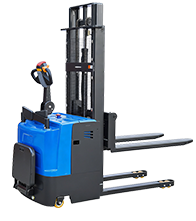
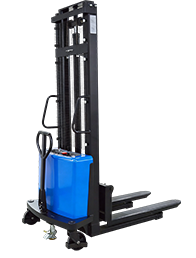
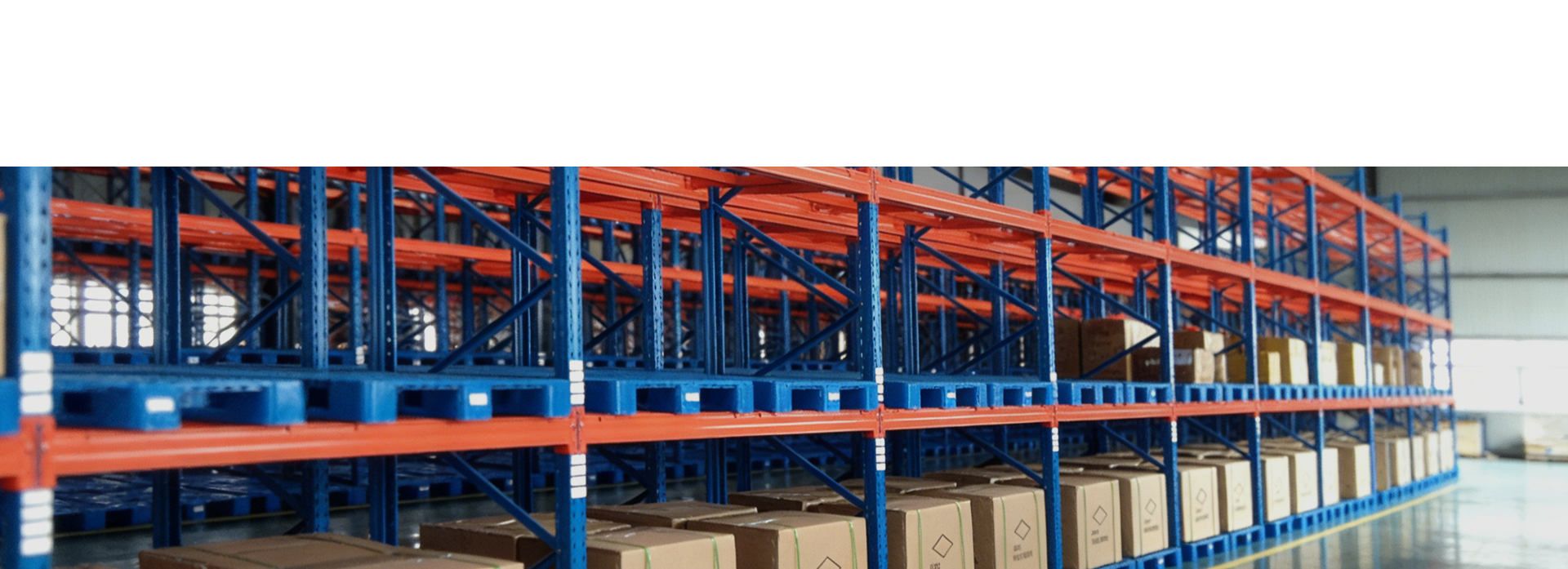
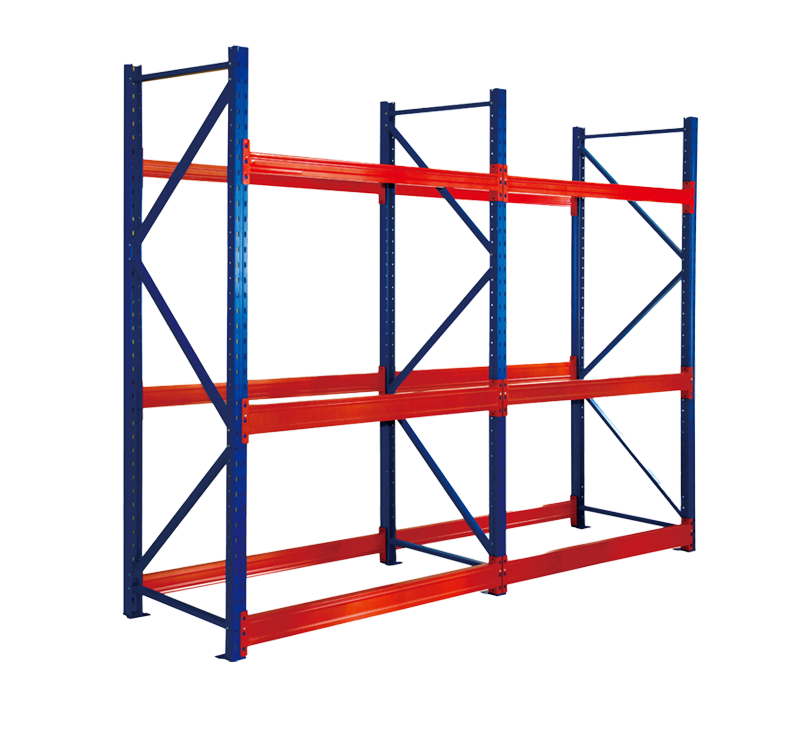
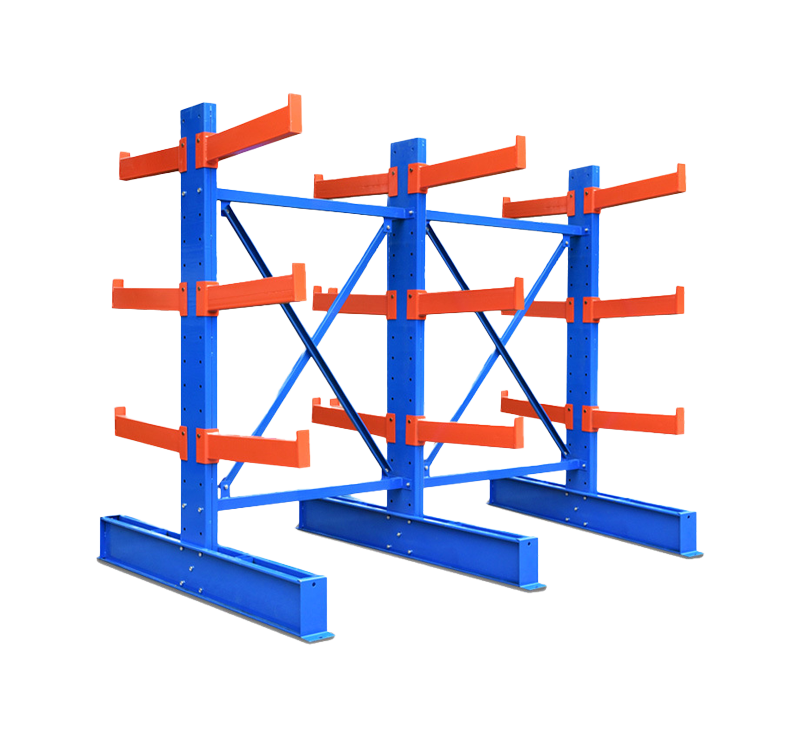
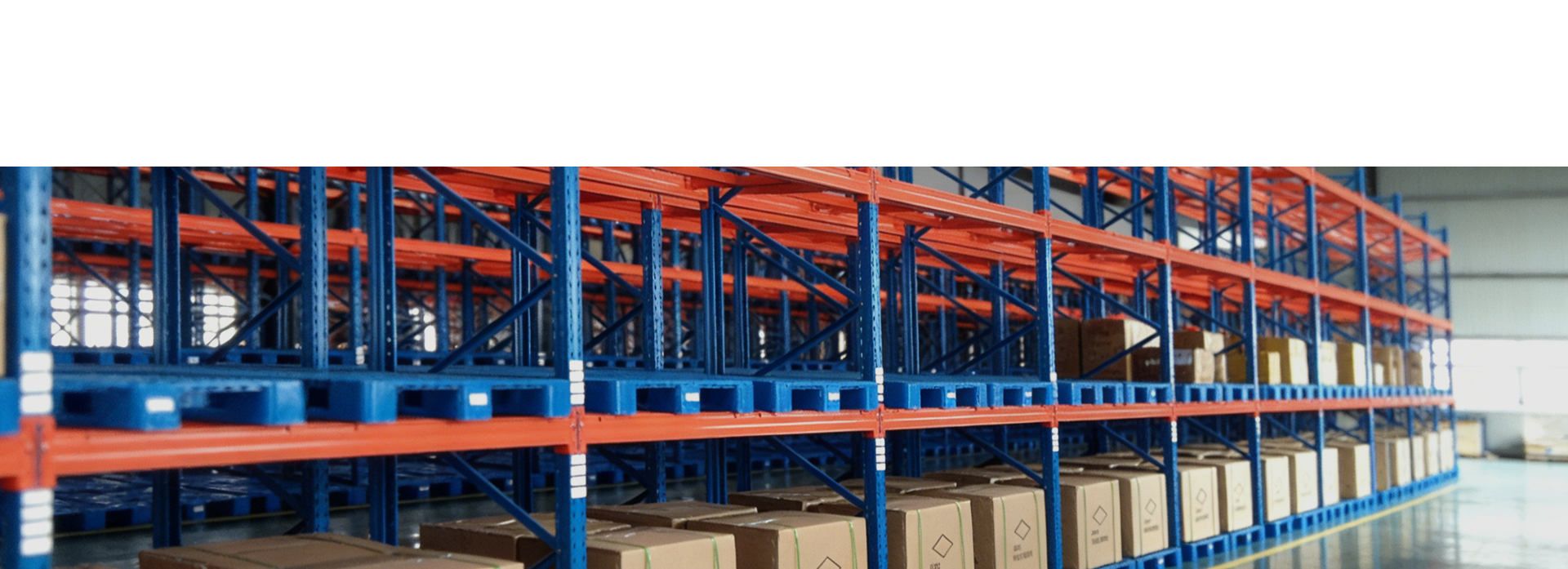
Bingo is an enterprise specializing in the production, sales, and service of warehousing and logistics equipment. Focusing on the equipment needs of various warehousing and logistics scenarios, we provide global customers with one-stop, integrated solutions for material storage and handling.
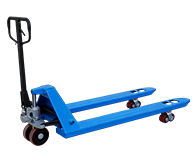
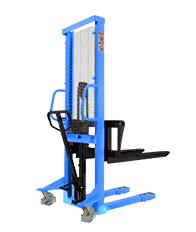
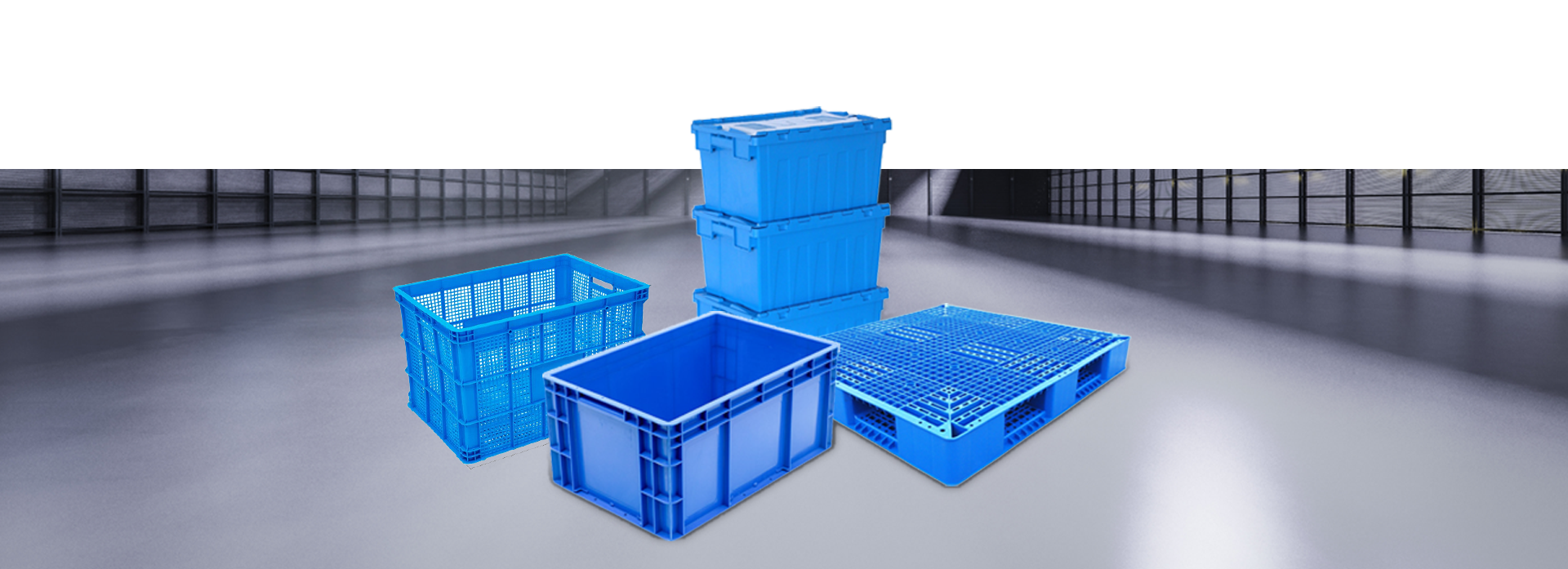
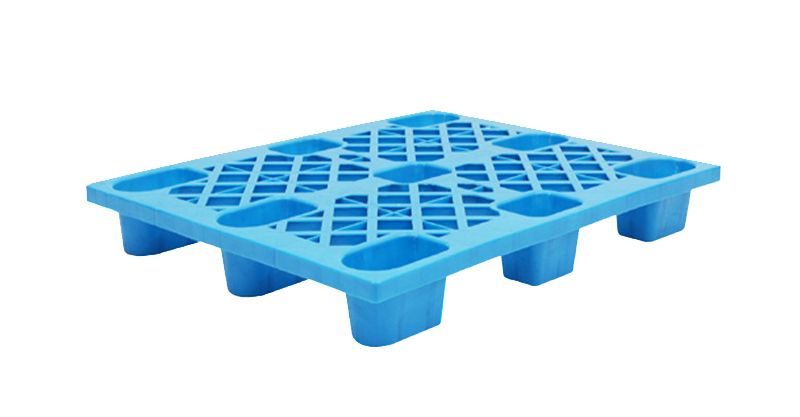
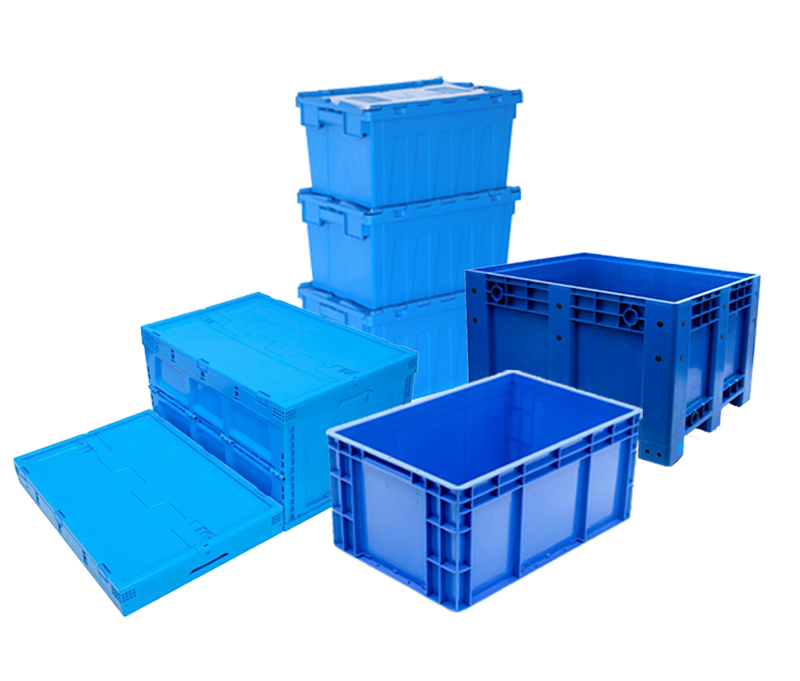
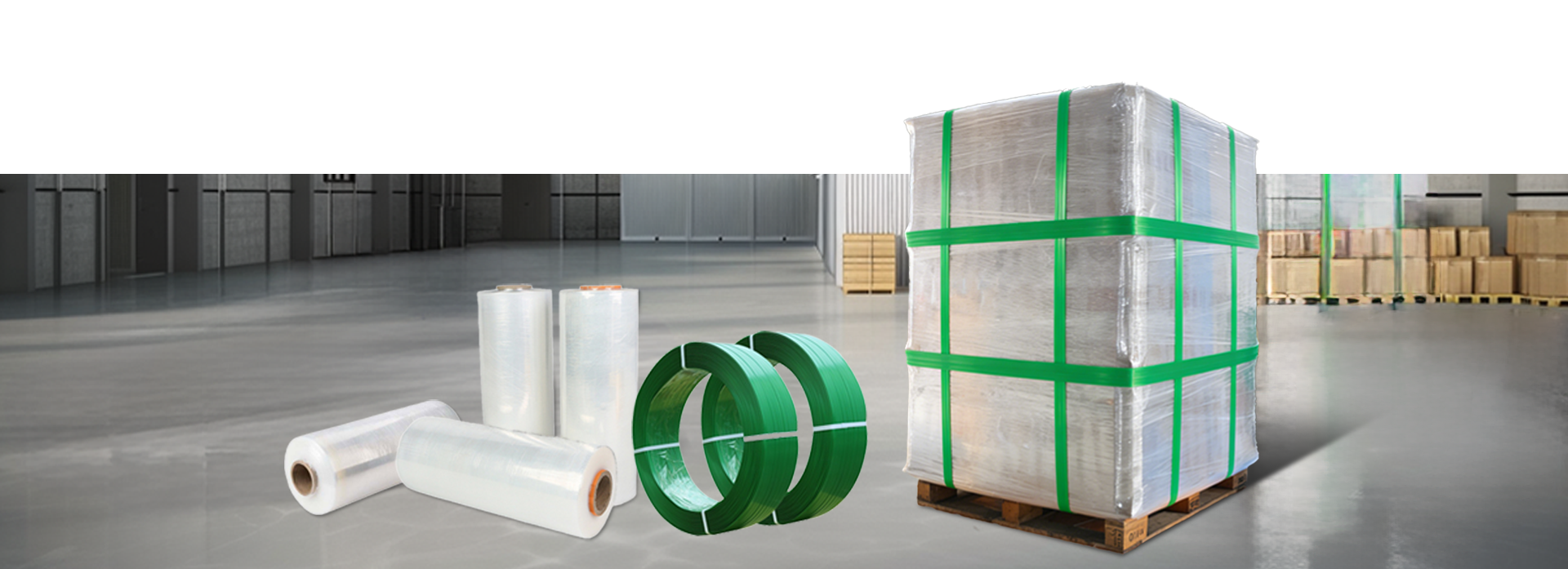
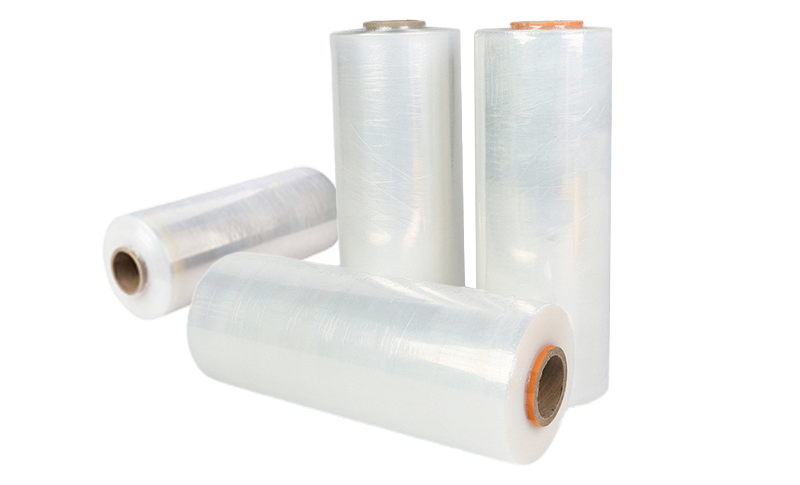
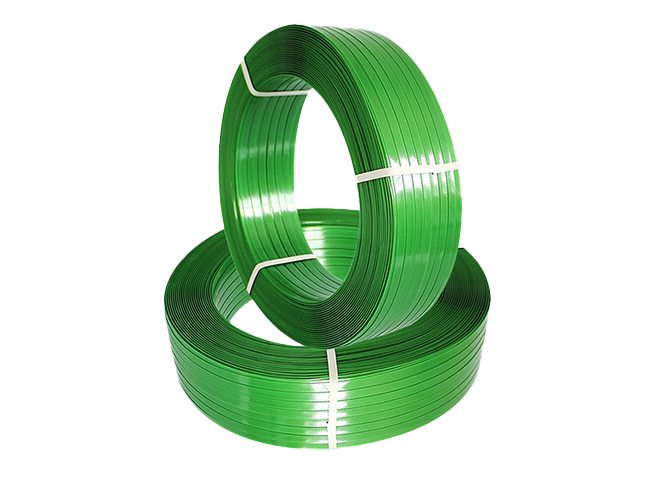
Bingo is a China Wholesale Long Span Shelving Manufacturer and OEM Long Span Shelving Company, and has built a complete warehousing and logistics equipment supply chain covering four core systems. In the field of handling equipment, we offer a full range of manual and electric pallet trucks and stackers. Our storage container line includes plastic pallets, plastic totes, crates, and bulk containers to meet diverse logistics needs. while the packaging material series provides supporting products such as stretch wrap and packing strapping. The warehousing racks series encompasses light-duty, medium-duty, and heavy-duty products of various specifications. Adhering to quality as our core value, we rely on a mature supply chain system and strict quality inspection processes to ensure that every product complies with international standards. We are committed to delivering cost-effective product solutions for industries including manufacturing, e-commerce logistics, warehousing and distribution, as well as supermarket retail.
Upholding the philosophy of "Quality First, Win-Win Cooperation", we actively expand our global market presence and are willing to join hands with partners around the world to jointly promote the intelligent and efficient development of the logistics industry.
Every warehouse supervisor knows the moment when manual pallet handling stops being workable. The heaviest pallets exceed 2500 kg, the dock staging area sits 80 meters from the storage bays, and the shift plan demands more pallet moves tha...
During a routine walkthrough at a distribution center, a warehouse manager noticed a small dent in the bottom flange of a pallet rack upright. No load was in that bay, so the dent was recorded as cosmetic. Three weeks later, a forklift gra...
Bingo Machinery, a trusted global supplier of smart warehouse handling equipment, officially launches the brand new CDDA15 1.5 ton pedestrian electric walkie stacker. This compact stacking solution is engineered for medium height pallet st...
Everything You Need to Know About Long Span Shelving
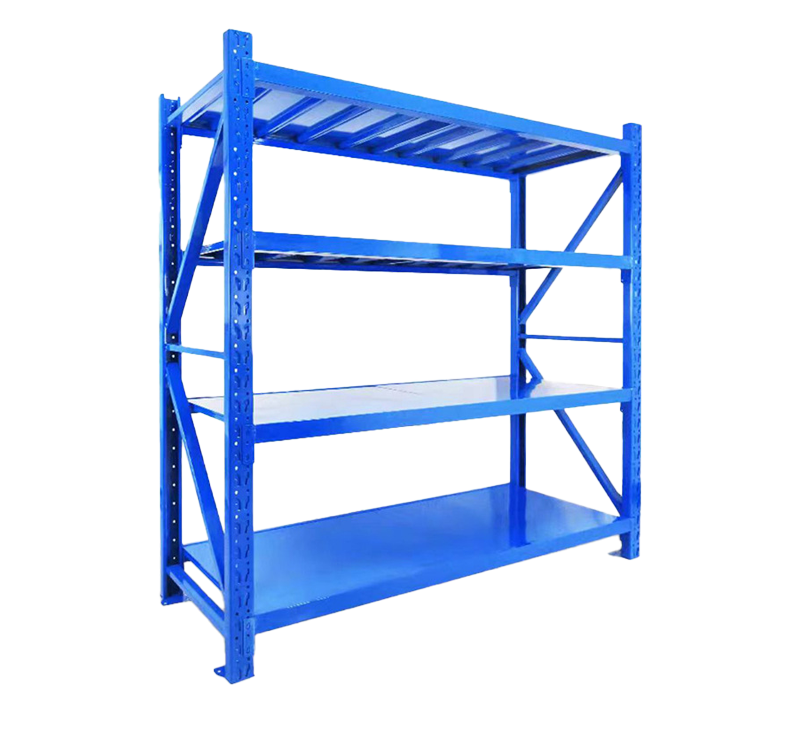
Long span shelving is a heavy-duty, freestanding storage system designed to handle bulky, oversized, or irregularly shaped goods that standard shelving cannot accommodate. Unlike conventional pallet racking, long span shelving bridges the gap between light-duty shelving and full pallet racking — making it an indispensable solution for warehouses, distribution centers, manufacturing plants, and retail back-of-house operations.
The system typically features bay widths ranging from 1,200 mm to 2,700 mm, shelf depths from 400 mm to 900 mm, and load capacities per shelf that commonly reach 300–800 kg. These specifications allow operators to store everything from automotive parts and electrical cable reels to timber boards, sports equipment, and appliance components — all in a single, organized system.
At Yancheng Bingo Machinery Equipment Co., Ltd, we focus on the equipment needs of various warehousing and logistics scenarios, providing global customers with one-stop, integrated solutions for material storage and handling. Long span shelving is a cornerstone of that offering, combining structural flexibility with practical load management in a single, scalable platform.
Typical Load Capacity by Shelf Type
Key Structural Features and How Long Span Shelving Works
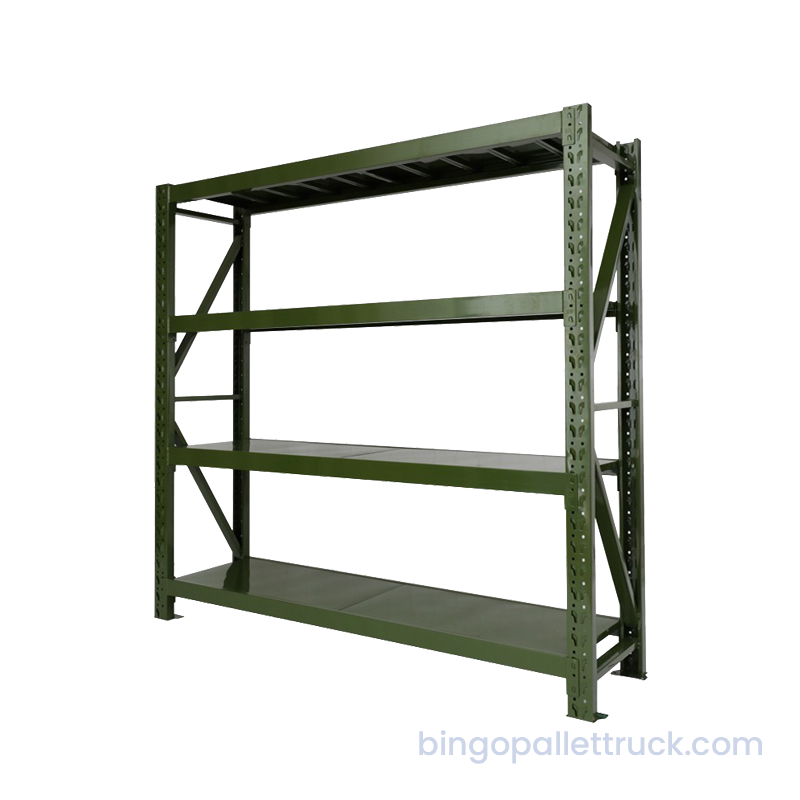
Long span shelving operates on a simple but highly engineered principle: boltless or rivet-lock assembly that allows uprights (columns) and beams (crossbars) to interlock without tools, while particle board, steel decking, or wire mesh panels form the shelf surface. The result is an extremely adaptable system that can be reconfigured as product lines or storage needs evolve.
Core Components
Upright Frames: Cold-rolled steel columns with punched slots at regular intervals (commonly every 50 mm), enabling precise height adjustment of each shelf level.
Horizontal Beams: Step beams or box beams spanning the full bay width, typically powder-coated for corrosion resistance and load distribution.
Shelf Panels: Particle board (most common), steel plate, or wire decking — selected based on load type, access method, and hygiene requirements.
Bracing & Footplates: Rear and side bracing frames provide rigidity against lateral forces; base plates distribute weight to the floor safely.
Optional Accessories: Dividers, back panels, label holders, anti-collapse mesh, and column protectors extend functionality and safety.
Assembly Process Overview
Anchor upright frames to floor using base plates and fixing bolts.
Clip horizontal beams into punched slots at the desired height — no welding or bolts required.
Lay shelf panels across beams; panels lock in place or are secured with clips.
Add rear bracing and any optional accessories (dividers, guards, labels).
Perform a load test and final safety inspection before commissioning.
A standard 5-bay long span shelving run can be assembled by two workers in under 4 hours — a significant advantage over welded or bolted systems that require specialist contractors and extended downtime.
Industries and Applications Where Long Span Shelving Delivers Maximum Value
Long span shelving is not a one-size-fits-all solution for every warehouse. Its value is highest in applications where goods are picked manually, are too large or heavy for standard shelving, but do not require full pallet storage. The following industries benefit most:
Industry
Typical Products Stored
Key Benefit
Automotive & Parts
Exhaust systems, bumpers, brake kits
Wide bay fits long, awkward components
Electronics & Appliances
TVs, washing machines, cable reels
Adjustable shelf heights for varied SKU sizes
Building Materials
Timber, pipes, flooring rolls
High load capacity, long spans up to 2,700 mm
E-commerce Fulfillment
Boxed goods, multi-SKU pick faces
Fast reconfiguration for seasonal SKU changes
Sports & Leisure
Bicycles, camping gear, surfboards
Open-front access; no forklift required
Retail Back-of-House
Overstock, promotional materials
Compact footprint; easy staff access
Table 1: Common industries and storage applications for long span shelving systems
Space Utilization Rate by Storage System (Manual-Pick Environments)
When combined with a mezzanine floor system, long span shelving can push usable floor space utilization to over 80% — nearly double that of ground-level standard shelving layouts.
Comparing Long Span Shelving Configurations: Choosing the Right Setup
Not all long span shelving systems are equal. Configuration choices — panel type, frame gauge, bay count, and accessory selection — significantly affect performance, cost, and longevity. Here is a practical breakdown of the most common configurations and when to use each:
Shelf Panel Options
Particle Board (18–22 mm): Most cost-effective; suitable for dry environments and smooth-bottomed goods. Rated up to 400 kg per shelf in standard configurations.
Steel Plate Decking: Higher load capacity; ideal for heavy parts, oily items, or hygiene-sensitive settings. Rated up to 600–800 kg per shelf.
Wire Mesh Decking: Allows dust, sprinkler water, and light to pass through; preferred in fire-rated warehouses or cold stores. Adds visibility to shelf contents from below.
Performance Radar: Panel Type Comparison
Frame Gauge and Bay Span Selection
Upright frames are typically manufactured from 1.5 mm to 2.5 mm cold-rolled steel. Heavier gauge (2.0–2.5 mm) frames are recommended when shelves will consistently carry loads above 400 kg or when systems will be used in high-cycle pick environments. Bay span selection depends on the longest item to be stored — as a rule, the item's longest dimension should not exceed 85% of the clear bay width to allow safe loading and retrieval.
Total Cost of Ownership: Long Span Shelving vs. Alternatives
Purchasing price is only one dimension of the true cost of a storage system. Long span shelving stands out not just on upfront investment, but across its entire operational life. Yancheng Bingo Machinery Equipment Co., Ltd structures its one-stop solutions to help customers see this full picture before committing to any system.
5-Year Cumulative Cost Index (Base: Long Span Shelving = 100)
The analysis above captures reconfiguration costs — a major hidden expense for businesses whose SKU mix changes seasonally. Standard shelving requires frequent replacement; pallet racking is rigid by design. Long span shelving typically delivers reconfiguration in under 2 hours per bay without specialist tools, meaning operational disruption is minimal and labour costs stay controlled.
Additional cost advantages include: no forklift requirement (saving rental or purchase costs of USD 15,000–80,000 per unit), minimal floor anchoring (reducing installation costs by up to 40% compared to pallet racking), and a typical service life of 15–20 years with proper maintenance.
Safety Standards and Best Practices for Long Span Shelving
Safe operation of long span shelving systems depends on three pillars: correct specification at the design stage, compliant installation, and disciplined day-to-day management. The following standards and practices are most relevant globally:
Relevant Standards
EN 15512 (Europe): Specifies structural requirements for adjustable pallet racking and long span shelving used in industrial settings.
AS 4084 (Australia): Covers steel storage racking including shelf load ratings, seismic considerations, and inspection requirements.
RMI MH16.1 (USA): American National Standard for the Design, Testing and Utilization of Industrial Steel Storage Racks.
GB/T 25347 (China): National standard for steel shelving used in light-industrial and logistics environments.
Key Daily Operating Rules
Never exceed the rated shelf UDL (Uniformly Distributed Load) — load ratings must be displayed at the end of each bay.
Distribute loads evenly across the full shelf depth; do not concentrate weight at the front edge.
Inspect frames and beams for deformation, corrosion, or damage at least quarterly; remove from service immediately if any upright is bent more than L/350.
Do not use shelving as a climbing structure; provide dedicated access equipment where items are stored above 1.8 m.
Install anti-collapse mesh or back panels on upper shelves in pick faces where light items could fall onto workers.
Integrating Long Span Shelving into a Broader Warehousing System
Long span shelving rarely operates in isolation. In mature logistics operations, it forms part of a hybrid storage ecosystem that may include pallet racking for bulk reserve stock, mezzanine floors for space maximization, mobile shelving for high-density archival storage, and automated picking systems at the order-fulfillment layer. The skill is in designing transitions between these zones so that goods flow efficiently from receiving to dispatch without bottlenecks.
As a provider of one-stop, integrated solutions for material storage and handling, Yancheng Bingo Machinery Equipment Co., Ltd works with clients globally to map product flow, SKU velocity, and pick frequency before recommending which combination of systems — including long span shelving — will deliver the best return. This systems-level perspective often reveals that a thoughtfully designed shelving zone can eliminate the need for expensive automated equipment in small-to-medium operations.
Common Integration Patterns
Shelving + Pallet Racking: Pallet racking stores full pallets in bulk reserve; long span shelving is used in the forward pick area where individual items are manually selected. A gravity-fed pick lane or conveyor connects the two zones.
Shelving + Mezzanine: Ground-floor shelving handles fast-moving A-class SKUs; mezzanine level accommodates slow-moving B/C SKUs. Doubles usable square footage without expanding the building footprint.
Shelving + Mobile Carriages: Mounting long span shelving on powered mobile bases reduces aisle count from 50% of floor area to under 15%, dramatically increasing storage density in constrained sites.
Frequently Asked Questions About Long Span Shelving
How much weight can long span shelving hold per shelf?
Shelf capacity depends on frame gauge, shelf panel material, and bay span. Typical particle board shelves support 300–500 kg per level (UDL); steel plate shelves can reach 600–800 kg per level. Always refer to the manufacturer's load chart specific to the configuration being installed — do not apply generic figures across different product ranges.
Can long span shelving be used outdoors?
Standard long span shelving is designed for indoor, covered environments. For outdoor or semi-outdoor use, frames should be hot-dip galvanized or marine-grade powder-coated, and particle board panels must be replaced with steel or HDG wire mesh. Wind load calculations also need to be incorporated into the structural specification.
How long does it take to assemble a long span shelving system?
For a typical 5-bay, 4-level system (approx. 12 m × 2.4 m), two experienced workers can complete full assembly — including floor anchoring and final safety checks — in 4–6 hours. Boltless assembly eliminates the need for specialist contractors in most cases.
What is the maximum height for long span shelving?
Most standard long span shelving configurations are designed for heights up to 3,000 mm (3 m). Systems up to 4,500 mm are available with heavier-gauge uprights and additional bracing, but at this height a structural engineer's sign-off and forklift-assist picking equipment are generally required. For heights above 4.5 m, pallet racking is usually the more appropriate solution.
Is long span shelving compatible with standard barcoding and WMS systems?
Yes. Long span shelving is fully compatible with barcode labels, RFID tags, and warehouse management system (WMS) location addressing. Each bay and shelf level is assigned a unique location code, and label holders or magnetic label strips can be mounted on the front beam. This makes integration with common WMS platforms straightforward, with no structural modification required.
What maintenance does long span shelving require?
Routine maintenance is minimal: quarterly visual inspections for frame deformation, beam connection loosening, and surface corrosion; annual load audits to confirm rated capacities are not being exceeded; and immediate replacement of any component showing damage exceeding manufacturer-specified tolerances. Replacement parts — uprights, beams, and shelf panels — are typically stocked and can be swapped without dismantling adjacent bays.

 en
en  Español