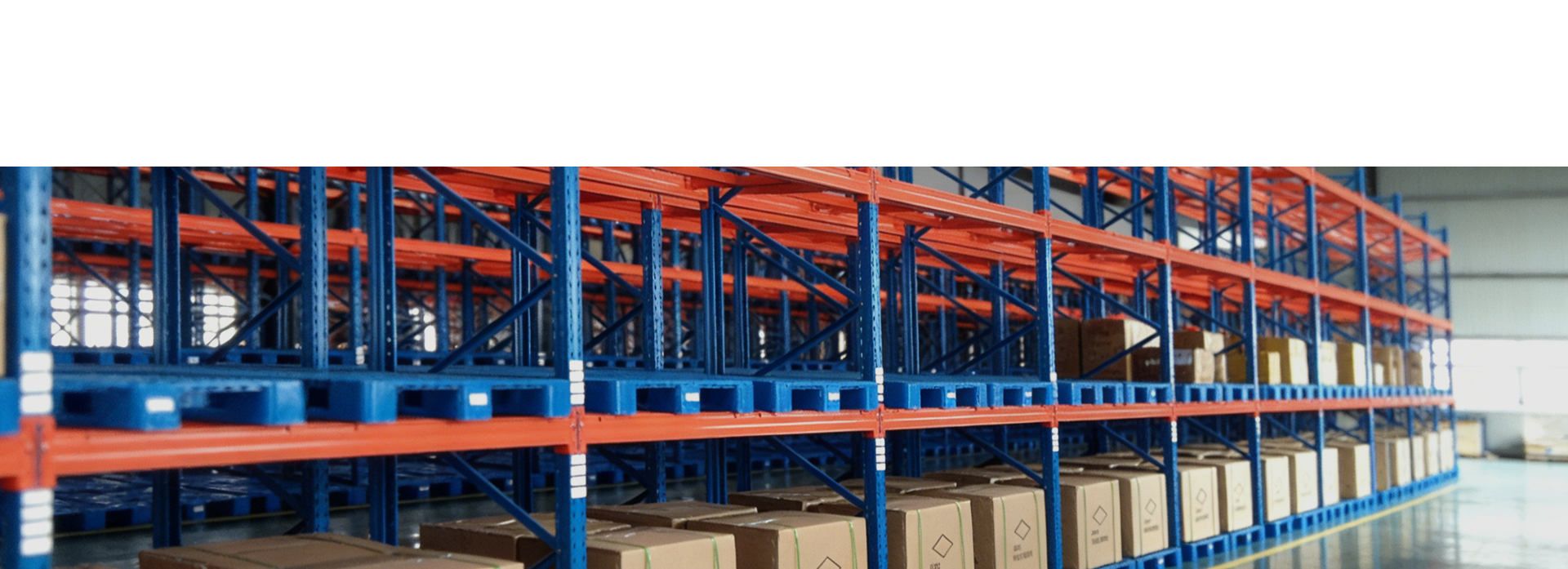
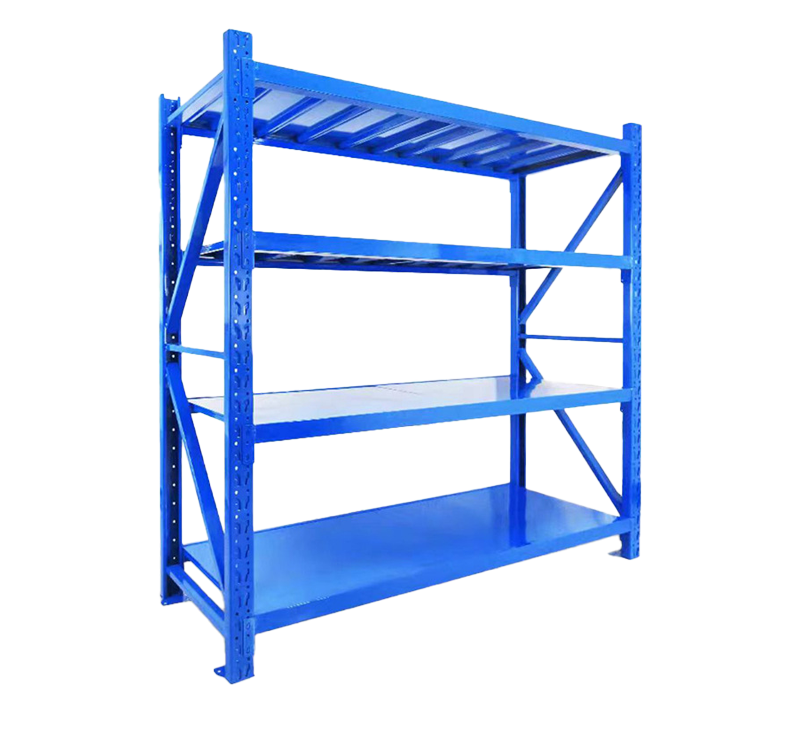
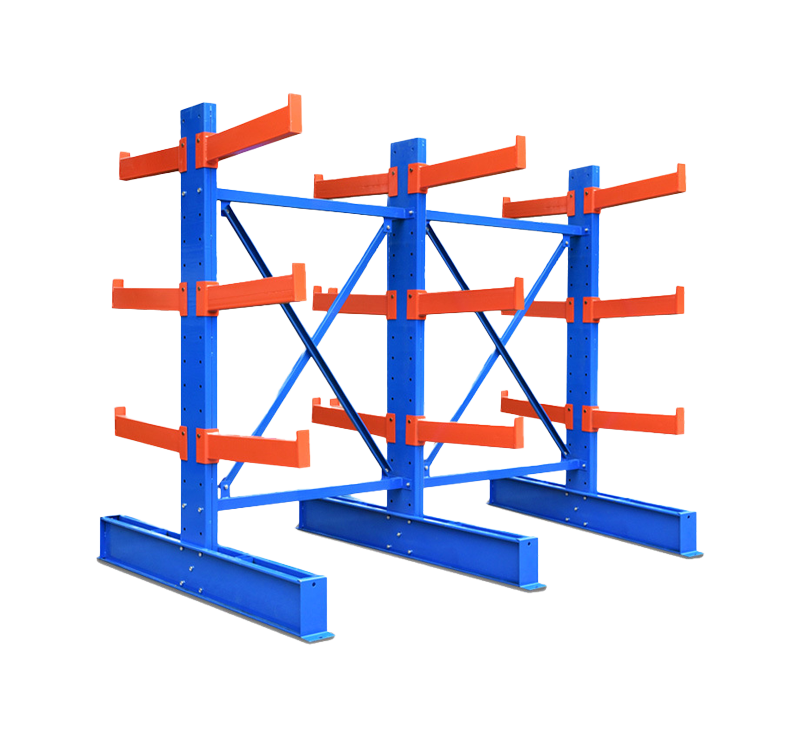
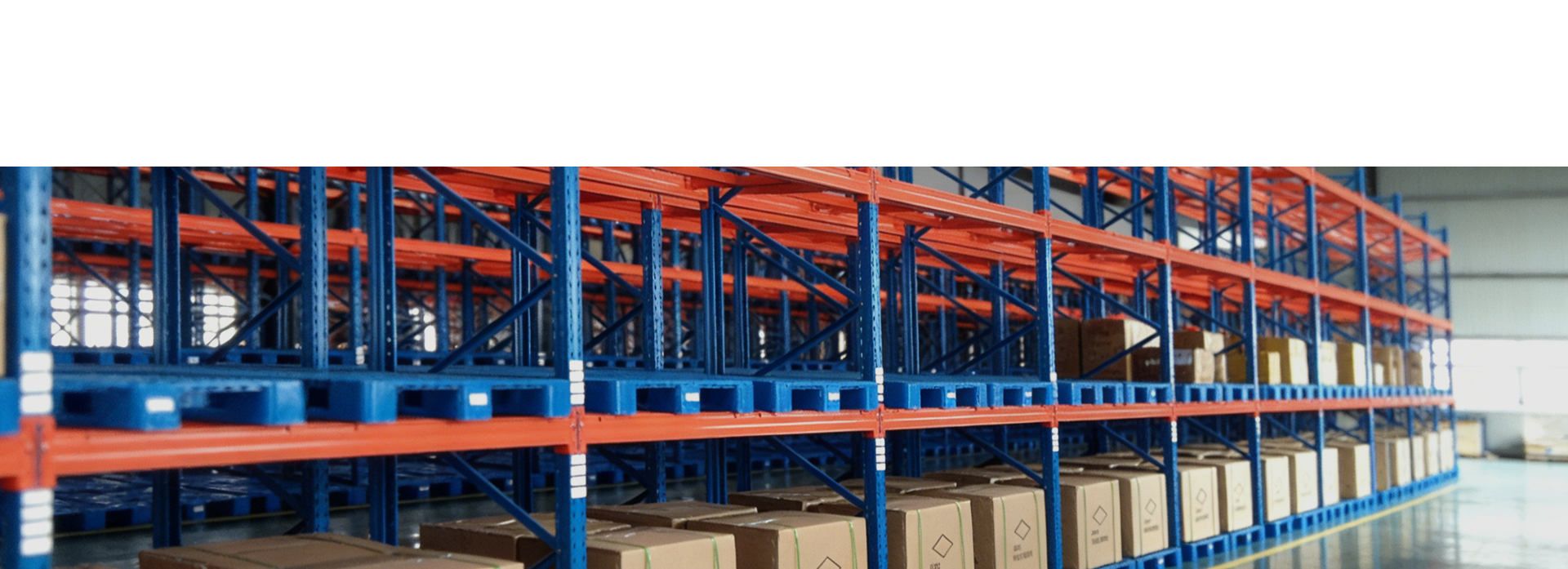
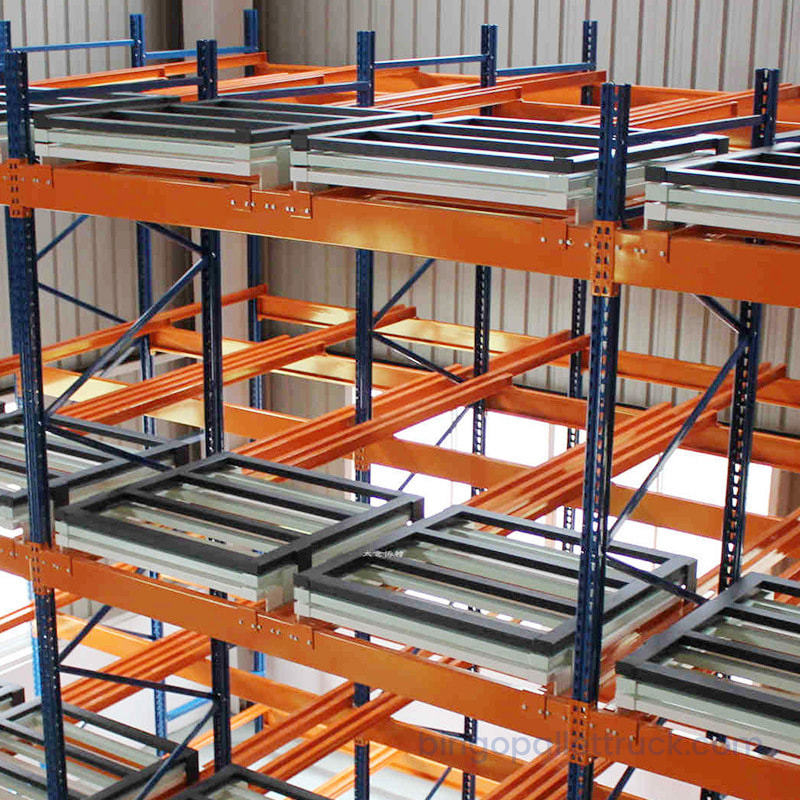
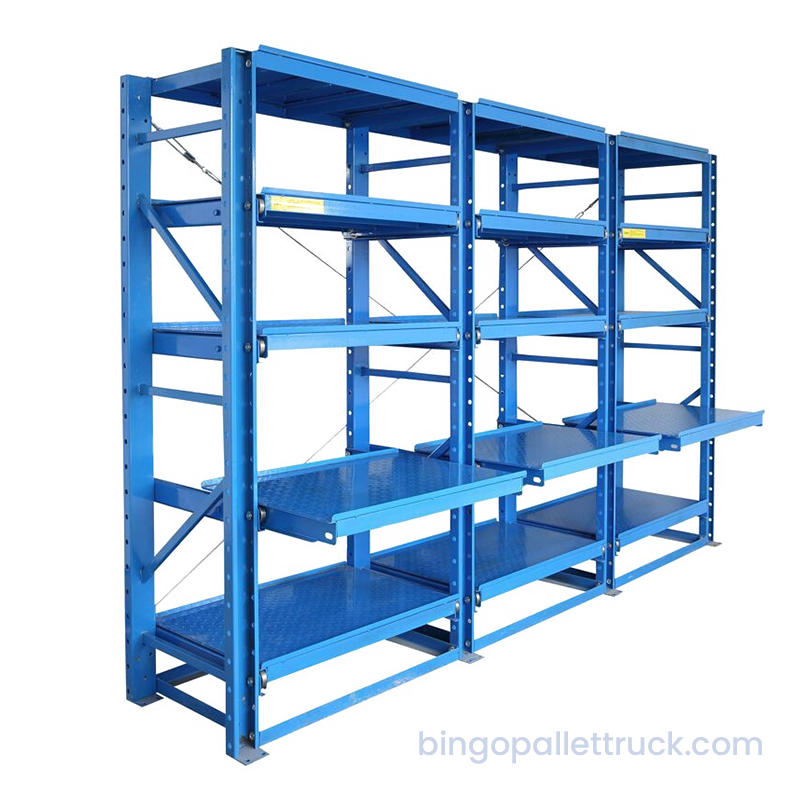
Warehouse racks are engineered storage systems constructed from high-quality steel, designed to organize and maximize the use of both vertical and horizontal warehouse space. Rather than stacking goods directly on the floor — a method that limits accessibility, increases damage risk, and wastes overhead volume — warehouse racks allow goods to be stored in structured, accessible tiers, often from floor level up to the full height of a facility.
A properly designed warehouse rack system can increase usable storage capacity by 2 to 3 times compared to conventional ground stacking, making it one of the highest-impact investments available to logistics operators, manufacturers, and distributors looking to improve throughput without expanding their physical footprint.
How Warehouse Racks Are Built: Structure and Manufacturing
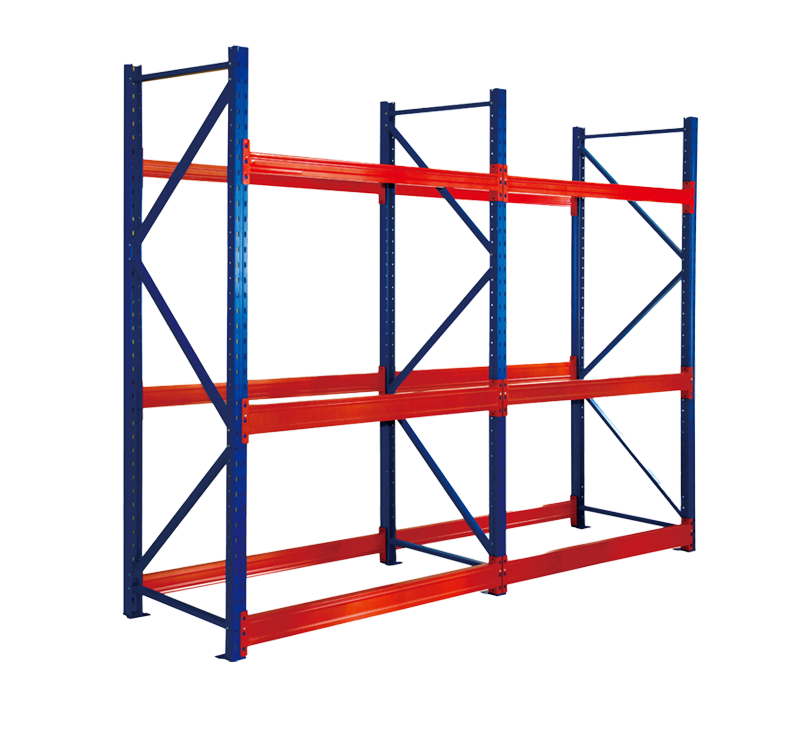
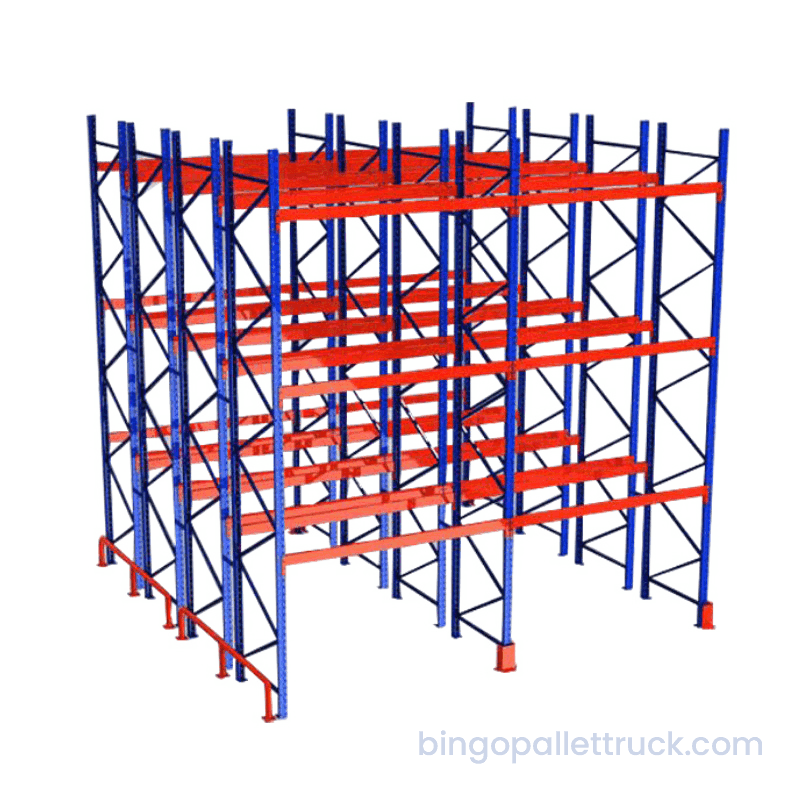
The structural performance of warehouse racks depends directly on material quality and manufacturing precision. Standard rack systems consist of the following components:
- Columns (Uprights): Vertical steel frames that carry the full vertical load of the stored goods. Column thickness and perforation pattern determine how finely beam heights can be adjusted.
- Beams: Horizontal load-bearing members connecting column pairs at each storage level. Beam profile and span length determine the per-level load capacity.
- Crossbars and Laminates: Secondary support elements that distribute load evenly across beam pairs, preventing point loading and allowing smaller containers or cartons to be stored directly on the rack.
- Accessories: Column guards, safety pins, row spacers, and anti-collapse mesh — components that protect the structure from handling equipment impact and prevent goods from falling.
After fabrication, structural components go through shot blasting to remove surface contaminants, followed by electrostatic powder coating. This finish provides corrosion, wear, and rust resistance across the full service life of the rack — including demanding environments such as cold storage, humid processing areas, and outdoor covered warehouses.
Types of Warehouse Racks and Their Best-Fit Applications
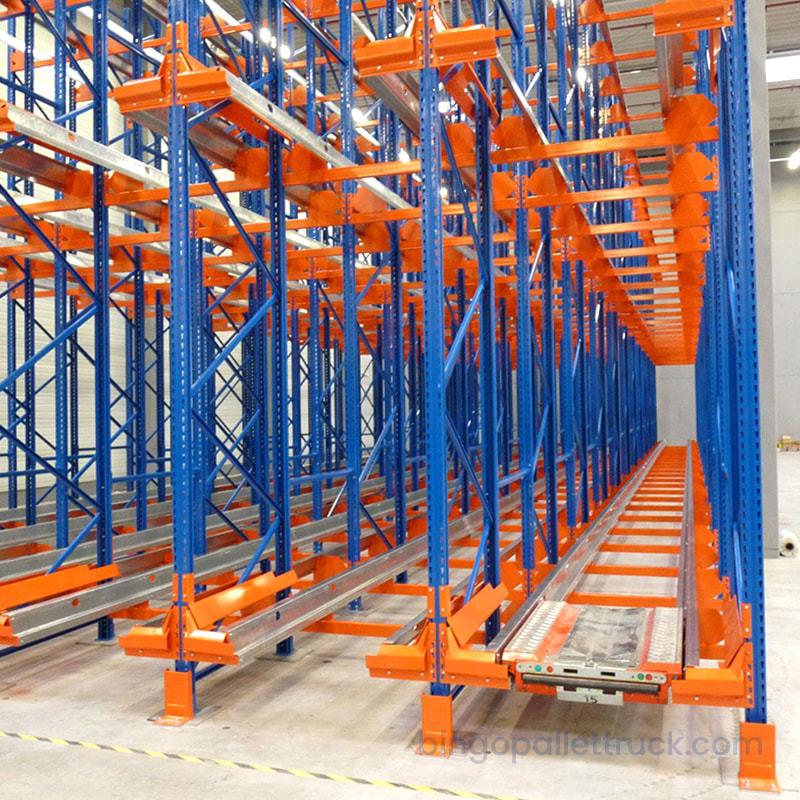
Selecting the right rack type is critical to achieving both storage density and operational efficiency. Different warehouse rack configurations are optimized for different inventory profiles, handling equipment, and access patterns.
| Rack Type |
Storage Method |
Access Pattern |
Best For |
| Selective Rack |
Single-deep pallets |
Direct access to every pallet |
High-SKU, fast-moving inventory |
| Drive-In Rack |
Multi-deep pallets in lanes |
LIFO (last in, first out) |
Low-SKU, high-volume bulk storage |
| Cantilever Rack |
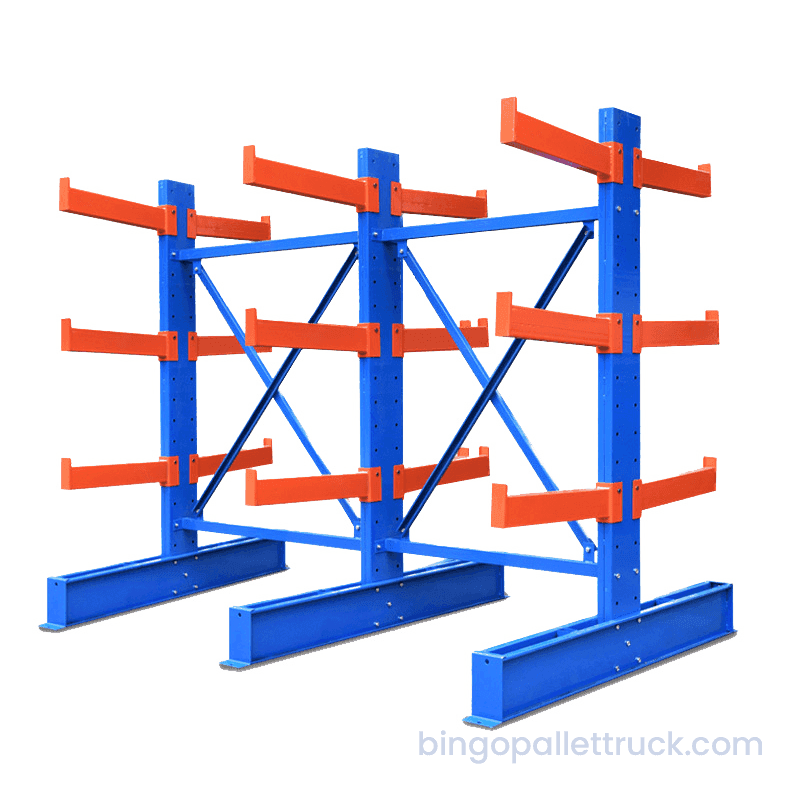
Open arms, no front column |
Side loading |
Long goods: pipes, timber, profiles |
| Mezzanine Rack |
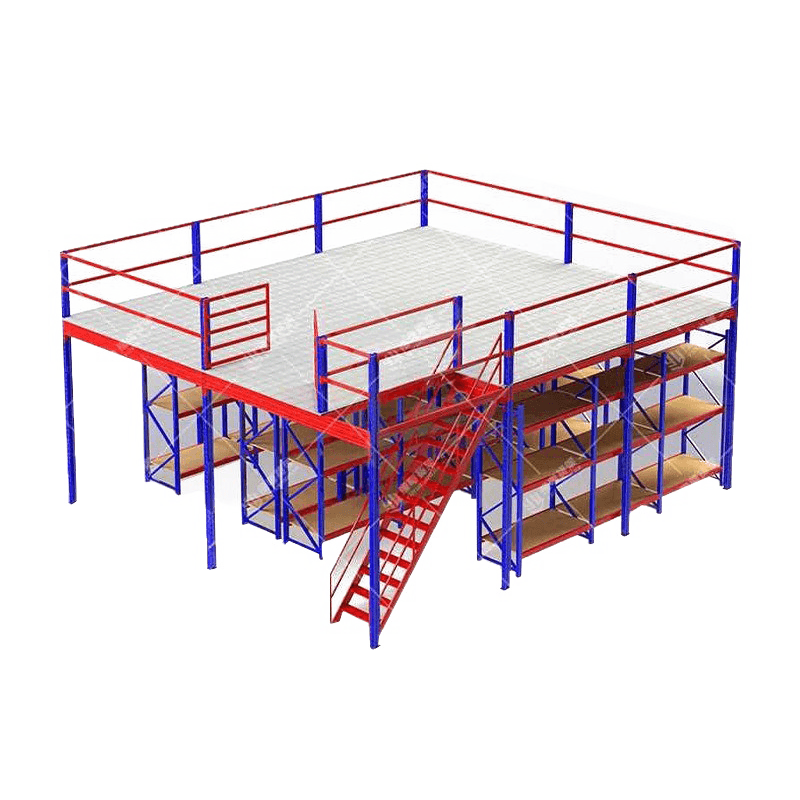
Multi-level elevated platforms |
Staircase or goods lift |
Maximizing vertical space in low-turnover areas |
| Gravity Rack |
Inclined roller lanes |
FIFO (first in, first out) |
Date-sensitive goods, high-rotation items |
Comparison of common warehouse rack types by storage method, access pattern, and optimal application
Core Advantages of Installing Warehouse Racks
Maximized Vertical Space Utilization
The primary value of warehouse racks is the conversion of unused overhead volume into productive storage capacity. In a standard facility with a 6–10 m clear height, well-designed racking can multiply effective storage density by 2 to 3 times versus floor stacking — deferring or eliminating the need for costly facility expansion.
High Load-Bearing Capacity with Structural Safety
Steel construction with precision welding gives warehouse racks per-level load capacities ranging from 50 kg to 5,000 kg depending on beam specification and span. The reinforced structure resists deformation under sustained load and provides the stability required for safe long-term storage, including multi-tier configurations accessed by forklifts and reach trucks.
Fast and Reliable Goods Access
Selective and gravity warehouse rack designs give operators direct access to individual pallet positions or product lanes, eliminating the need to move other goods to retrieve a specific item. When integrated with warehouse management systems (WMS), racking layouts enable location-based inventory tracking that further reduces pick times and error rates.
Modular Design for Flexible Configuration
The column-and-beam construction of most warehouse racks is inherently modular. Layer heights are adjustable in increments set by the column perforation pattern (typically 50–75 mm), allowing the rack to be reconfigured as product dimensions or storage requirements change — without purchasing new structural components.
Durability Across Demanding Environments
Shot-blasted and powder-coated steel components resist corrosion, moisture, and surface wear — making warehouse racks suitable for cold storage facilities, food processing environments, and humid warehouses where uncoated steel would deteriorate rapidly.
Industry Applications: Where Warehouse Racks Deliver Measurable Impact
Logistics and Distribution Centers
Large-scale logistics operations depend on warehouse racks to store palletized goods, plastic totes, and cartons in organized, location-indexed positions. Selective racking combined with forklift or reach truck access enables high-throughput inbound receiving, put-away, and outbound picking without congestion or search time.
Manufacturing and Industrial Parts Management
On production sites, warehouse racks organize raw materials, work-in-progress components, and finished goods by SKU or production order. Clearly defined storage locations reduce time spent searching for parts, support just-in-time supply to production lines, and enable accurate physical inventory counts.
Food, Beverage, and Pharmaceutical Storage
Corrosion-resistant coatings and hygienic structural profiles make warehouse racks appropriate for regulated storage environments. Gravity racks support FIFO (first-in, first-out) rotation, a mandatory practice for date-sensitive food and pharmaceutical products that minimizes expiry-related losses.
Cold Storage and Refrigerated Warehouses
Cold storage space is expensive to build and operate. Warehouse racks are essential in these environments precisely because they extract maximum storage capacity from a limited and costly footprint. Low-temperature resistant steel and coatings maintain structural performance at temperatures down to -30°C, ensuring safe storage of frozen and chilled goods.
Retail Back-of-House and Supermarket Storage
In retail environments, back-warehouse racks allow high-density storage of reserve stock organized by product category. Rapid replenishment from clearly labeled rack positions reduces shelf-out time and supports consistent in-store availability.
Planning a Warehouse Rack Installation: Key Factors to Evaluate
Effective warehouse rack installation begins with a structured planning process. Rushing into procurement without addressing the following factors typically results in systems that underperform or require costly redesign:
- Floor Load Capacity: Confirm the structural floor load rating of your facility before specifying rack height and pallet weight. Heavily loaded rack columns concentrate significant point loads on the slab — a structural engineer review may be required for high-density systems.
- Clear Height and Sprinkler Clearance: Rack height must account for the facility's clear internal height and any fire suppression clearance requirements set by local building codes or insurance policies.
- Aisle Width and Handling Equipment: Aisle width must match the turning radius and operating specifications of the forklifts, reach trucks, or pallet jacks used in the facility. Narrow-aisle rack systems require specialized equipment but deliver higher storage density.
- Load Profile of Stored Goods: Specify beam load ratings based on the heaviest anticipated pallet or unit load, not average weights. Safety factors should be applied consistently across all rack levels.
- Future Flexibility Requirements: If inventory mix or pallet dimensions are likely to change, prioritize modular rack systems with finely adjustable beam heights and straightforward reconfiguration procedures.
Frequently Asked Questions About Warehouse Racks
What load capacity do warehouse racks typically support?
Warehouse rack load capacities vary widely by system type and beam specification, ranging from 50 kg per level for light-duty shelving up to 5,000 kg per level for heavy industrial pallet racking. Always confirm both the beam capacity (the load each beam pair can carry) and the upright capacity (the total load each column frame can bear across all levels) before loading a rack system.
Can warehouse racks be adjusted after installation?
Yes. Most warehouse rack systems use a clip-in or bolt-in beam connection that allows beam heights to be repositioned by adjusting to a different perforation level on the column. This reconfiguration should be done with the rack empty and following the manufacturer's adjustment procedures to maintain structural integrity.
What is the difference between selective racks and drive-in racks?
Selective warehouse racks store pallets in single-deep positions with an aisle in front of every rack face, giving direct access to every pallet without moving others. Drive-in racks store pallets multiple positions deep in shared lanes, with forklifts driving into the rack structure — significantly increasing storage density but limiting access to a last-in, first-out (LIFO) pattern. The right choice depends on inventory turnover frequency and the number of pallets per SKU.
Are warehouse racks suitable for cold storage environments?
Yes. Steel warehouse racks with powder-coated or hot-dip galvanized finishes are widely used in cold storage and freezer warehouses. The structural steel maintains its load-bearing properties at temperatures as low as -30°C, and the protective coating prevents surface corrosion from condensation cycles during temperature fluctuations.
How should warehouse racks be protected from forklift damage?
Column guards bolted to the floor at the base of rack uprights are the most effective protection against forklift impact damage. End-of-aisle guards, safety barriers, and rack protectors at aisle corners are also recommended. Regular rack inspections — checking for bent columns, deformed beams, and missing safety pins — are essential for maintaining structural safety in active warehouse rack environments.
Can warehouse racks be customized for non-standard warehouse dimensions?
Yes. The modular nature of warehouse rack systems allows column heights, beam spans, bay widths, and overall rack depth to be specified to match the exact dimensions of a facility, including irregular floor plans, column grids, and door or dock placements. Custom configurations are available from rack suppliers and are typically designed using CAD-based warehouse layout tools.
Warehouse Rack Safety: Inspection, Load Marking, and Maintenance
A warehouse rack system is only as safe as the practices surrounding its daily use. Structural failures in racking almost always result from one of three causes: overloading, forklift impact damage, or missing safety components. The following practices are fundamental to maintaining a safe racking environment:
- Load Notices: Display the approved load capacity for each rack bay at the end of every aisle. These notices should specify both beam load (per level) and frame load (total per upright pair) so operators can verify compliance without specialist knowledge.
- Regular Visual Inspections: Assign responsibility for routine rack inspections — at minimum monthly — to identify bent uprights, cracked welds, missing safety pins, or displaced beam connectors before they compromise structural integrity.
- Immediate Unloading After Impact: Any upright or beam that has been struck by handling equipment should be unloaded and assessed before the rack is returned to service. Even minor visible deformation can significantly reduce the load capacity of a steel column.
- Use Manufacturer-Matched Replacement Parts: Only replace damaged components with parts specified by the original rack manufacturer or confirmed as structurally equivalent. Mixing components from different manufacturers can create incompatible load paths and reduce overall rack safety.

 en
en  Español